AI-Generated Urban Legends: Fake Images, Chatbot Horror & Digital Literacy in the AI Age (2026)
swiftwand swiftwand.ai
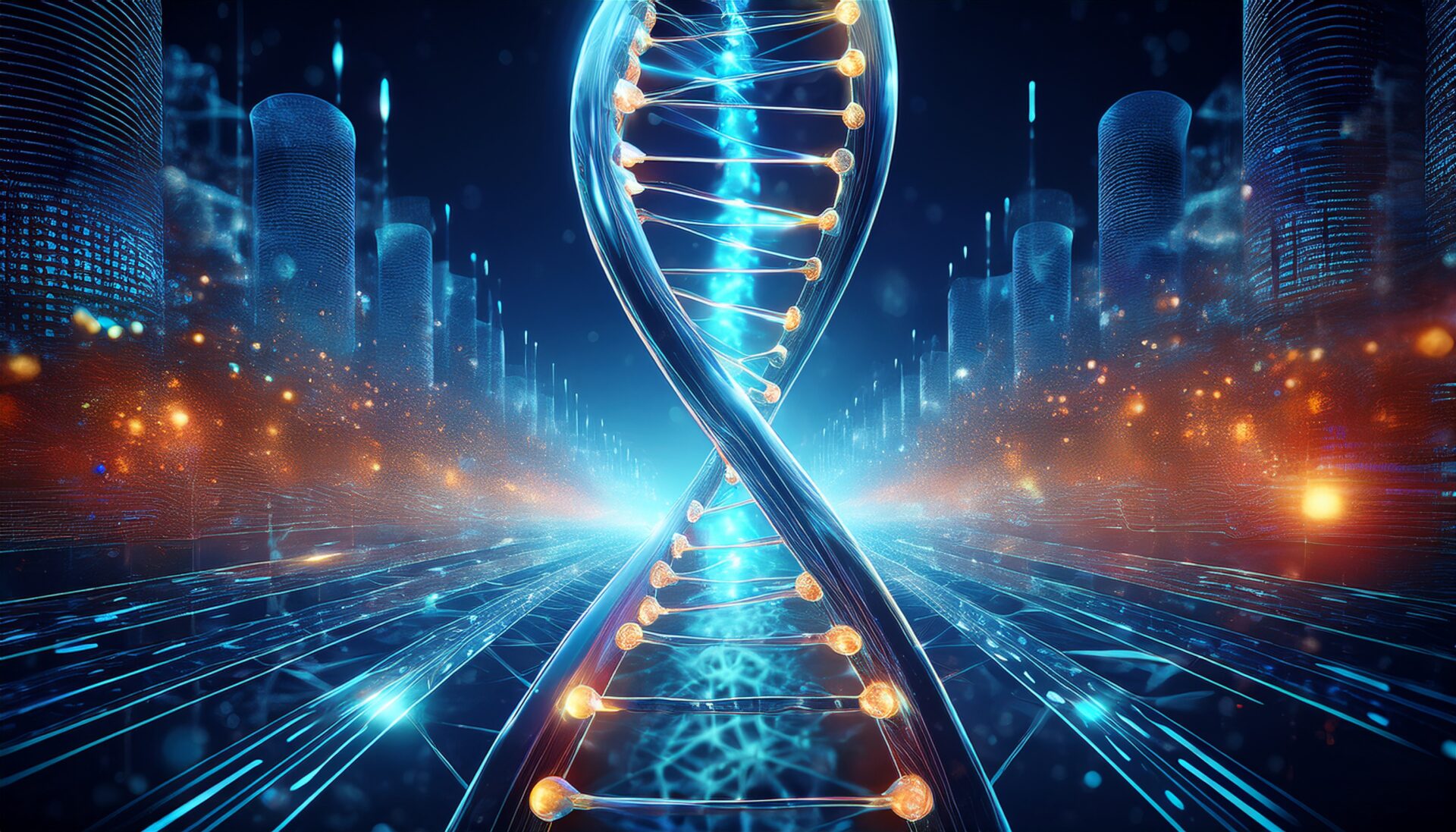
In recent years, the rapid advancement of AI and gene editing technology has brought revolutionary changes to various fields including medicine, agriculture, and our daily lives. The fusion of genome editing technology—represented by CRISPR—with AI is opening new possibilities for solving challenges previously thought impossible. However, these technological advances bring not only great expectations but also ethical concerns. This article comprehensively explains the future of biotechnology, from the latest developments in AI and gene editing to applications in medicine and agriculture, and the ethical challenges we must face.
CRISPR-Cas9 is a technology that leverages bacteria’s natural defense mechanisms. In this system, guide RNA (gRNA) identifies the target DNA sequence, and the Cas9 enzyme cuts that section. During the cell’s repair of the cut site, new genetic information can be inserted or existing genes can be modified. This technology has enabled researchers to investigate gene functions in detail and develop treatments for genetic diseases.
Following CRISPR-Cas9, more precise and efficient next-generation genome editing technologies have been developed. For example, Base Editing and Prime Editing can modify specific bases without cutting DNA. This enables safer and more accurate gene editing while reducing the risk of off-target effects (unintended editing at wrong locations). These technological advances have further expanded the scope of gene editing applications.
AI excels at analyzing vast amounts of genetic data and identifying patterns. For instance, AlphaFold developed by DeepMind can predict protein 3D structures with high accuracy, contributing to deeper understanding of gene functions. AI also assists in designing optimal gRNAs and provides prediction models to minimize off-target effects, enabling researchers to efficiently select the best targets from hundreds of candidates.
The collaboration between AI and CRISPR brings innovations beyond mere technical efficiency. AI can analyze complex genetic interactions and develop treatment strategies for multifactorial diseases. It can also discover previously overlooked therapeutic targets from vast genetic data. Furthermore, AI prediction models can simulate gene editing outcomes and evaluate their effects and potential risks before experiments are conducted.
Genome editing technology is revolutionizing the treatment of hereditary diseases like sickle cell disease and cystic fibrosis. In 2020, clinical trials using CRISPR-Cas9 for sickle cell disease treatment achieved success. Patients’ hematopoietic stem cells were edited outside the body and returned, resulting in symptom improvement. AI further optimizes this process by recommending the best editing strategy for each patient, accelerating the development of more effective and safer treatments.
In cancer treatment, the fusion of AI and gene editing is opening new possibilities. CAR-T cell therapy—which genetically modifies a patient’s own T cells to attack cancer cells—is being enhanced by AI for more effective CAR-T cell design. AI can also analyze cancer genomes to identify optimal treatment targets for individual tumors. Additionally, CRISPR-based early cancer diagnosis methods are being developed, with highly sensitive diagnostic systems capable of detecting trace amounts of cancer cell DNA expected to reach practical use.
Genome editing technology is being used to develop crops resistant to drought, high temperatures, and pests. For example, CRISPR technology has been used to develop rice with improved water efficiency and salt-tolerant tomatoes. AI accelerates this process by identifying optimal editing targets from vast genetic data. As climate change increasingly impacts agriculture, these technologies will play a crucial role in stabilizing food production.
Gene editing technology also holds potential for improving the nutritional value of foods. Golden Rice, for instance, has been genetically modified to be rich in Vitamin A, contributing to nutrition improvement in regions with Vitamin A deficiency. AI further streamlines the development of crops with specific nutrients enhanced. Development of allergen-reduced foods and foods with enhanced functional health components is also progressing toward “personalized nutrition.”
Gene editing technology, particularly germline editing, requires careful discussion as it can affect future generations. The 2018 birth of CRISPR gene-edited babies in China drew international criticism. There is a pressing need for international consensus on where to draw the line between therapeutic and enhancement applications. Issues of equitable access and measures to prevent misuse are also critical challenges as gene editing technology becomes more democratized.
Privacy protection when AI analyzes genetic data is another crucial issue. Personal genetic information is among the most sensitive personal data, requiring strict regulation for its collection, storage, and use. There are also concerns about AI algorithm bias affecting genetic analysis—if data from specific racial or ethnic groups is insufficient, analysis accuracy for those groups may decrease. Finding the right balance between international sharing and protection of genetic data will be an important agenda item going forward.
The fusion of AI and gene editing technology is just beginning. Over the next 10 to 20 years, applications we never imagined will become reality one after another. The future of biotechnology will be shaped by the balance between technological possibilities and social acceptance.
Advances in synthetic biology are bringing the creation of entirely artificially designed organisms into view, enabling innovations in biofuel production, environmental remediation, and new material development. The evolution of AI and quantum computing may further advance gene editing technology, with quantum computer-based complex biological simulations revolutionizing drug discovery and disease mechanism elucidation.
The democratization of biotechnology is also progressing, with the expansion of DIY Biology communities raising expectations for innovative ideas from citizen scientists. However, this democratization must be supported by appropriate guidelines and education. Ultimately, the future brought by the fusion of AI and gene editing will be determined not only by technological possibilities but by our collective vision of what kind of society we want to build.
The fusion of AI and gene editing technology is opening a new era in biotechnology. In medicine, treatments previously thought impossible—from hereditary disease treatment to cancer therapy—are becoming reality. In agriculture, development of climate-adapted crops and nutritionally enhanced foods is advancing.
However, these technological advances also raise ethical and social challenges. From the boundaries of gene editing to genetic data management and equitable technology access, there are numerous issues that society as a whole must consider. Continuous dialogue among scientists, policymakers, and citizens is essential to maximize technological potential while minimizing risks.
The future shaped by the fusion of AI and gene editing depends on our choices. By deepening our understanding of technological progress and participating in constructive discussion, each of us can contribute to shaping this new era. The future of biotechnology is determined not only by technological possibilities but by our collective decision-making. Let us think together about how to utilize these innovative technologies toward building a sustainable and equitable society.
さらに詳しい情報はAll3DPでご覧いただけます。