Hybrid Fabrication Complete Guide 2026: CV-Powered CNC × 3D Printing × Laser — Snapmaker Artisan, DMG MORI, Workflows, and FAQ
swiftwand swiftwand.ai
Many ancient instruments have been lost to time, their unique sounds and playing techniques buried in history. Reconstructing complete musical experiences from fragmentary evidence was long considered impossible. But AI technology is changing everything — going beyond physical reconstruction to digitally revive lost sounds and forgotten performance methods. This article explores how AI is transforming music archaeology, with real success stories from ancient Greece to Japan’s imperial treasures, and the impact on entertainment, therapy, and education.
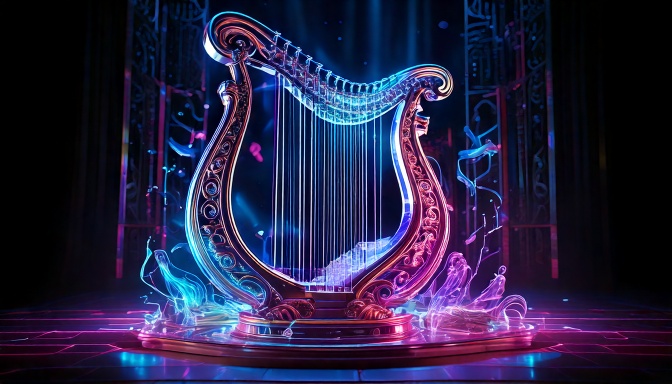
AI analyzes vast archaeological datasets to reconstruct complete instrument designs from fragmentary evidence. For example, machine learning algorithms can now predict the full shape of ancient Mesopotamian lyres from excavated fragments, accurately estimating even the parts that no longer physically exist.
AI models the acoustic properties of lost instruments using data from surviving fragments and acoustically similar existing instruments. Stanford University researchers successfully recreated the sound of the ancient Greek aulos (a woodwind instrument) through AI-powered acoustic simulation.
AI extracts information about playing postures and finger techniques from historical manuscripts and paintings. Machine learning algorithms analyze hundreds of historical illustrations to identify consistent performance patterns, reconstructing medieval string instrument techniques from manuscript performance scenes.
AI can also reconstruct lost musical systems from historical theory texts and fragmentary scores. Ancient Chinese “seven-tone” scales and Middle Eastern “maqam” systems — scale structures fundamentally different from modern Western music — have been digitally recreated, enabling contemporary musicians to study and perform them.
AI-restored ancient instruments aren’t limited to specialists. Smartphone and tablet apps now let anyone play virtual ancient instruments with AI-assisted performance support. Apps like “Ancient Instruments VR” enable virtual performance of Babylonian lyres, Roman hydraulic organs, and other instruments with only a handful of surviving specimens.
In education, AI-restored instrument content brings music history and cultural studies alive. Students experience music across eras and regions, developing firsthand appreciation for cultural diversity and historical continuity.
Many traditional instruments worldwide face extinction due to lack of successors and disappearing materials. AI digital recording serves as a vital means of preserving these instruments’ sounds and techniques for future generations. UNESCO-partnered projects are advancing digital archiving of traditional instruments made from endangered wood species.
AI integrated analysis of museum fragments and wall painting information to digitally recreate the complete shape and acoustic characteristics of the ancient Greek aulos. Combined with 3D printing technology, the project produced playable, faithful replicas — letting us hear music that might have played at ancient festivals and theaters over 2,000 years ago.
Japan’s Shōsōin repository preserves precious Nara-period instruments, but cultural protection prevents them from being played. AI acoustic simulation technology is estimating the original sounds from material and shape data, digitally recreating instruments like the famous raden shitan gogenbiwa (mother-of-pearl inlaid five-string lute). The day we can hear these national treasure instruments is drawing closer.
AI contributes to restoring instruments described in medieval European texts but with no surviving specimens. AI image recognition analyzes instrument features depicted in period manuscripts and paintings, estimating dimensions and construction. Cross-referencing with surviving contemporary instruments enables increasingly accurate acoustic predictions.
At the core of AI instrument restoration is advanced acoustic physics simulation. AI optimizes parameters like instrument shape, material density, elasticity, and resonance chamber volume, using finite element methods to simulate sound propagation. Modern systems even account for how wood aging affects tone — recreating not just the sound at creation, but the “aged tone” centuries later.
Machine learning models trained on extensive measurement data from surviving ancient instruments can predict sound from material and shape alone. AI analysis of Stradivarius violins is even providing new insights into the centuries-old mystery of why these instruments sound so extraordinary.
Not with absolute certainty, but acoustic physics-based simulation accuracy improves every year. In comparative tests with surviving ancient instruments, some restorations have reached levels where even experts struggle to distinguish them. It’s most accurate to view these as “the most probable estimation” rather than perfect replicas.
Absolutely. AI acoustic analysis insights serve as reference data for modern instrument manufacturers designing new instruments. AI contributes to optimizing materials and shapes to achieve desired tonal qualities.
AI-restored ancient instruments are having major impact on entertainment. Historical films and games increasingly demand period-accurate instrument sounds for their soundtracks. AI-reconstructed sounds of ancient Roman hydraulic organs and medieval string instruments dramatically enhance immersion, drawing attention from Hollywood composers.
The gaming industry is exploring interactive experiences where players perform ancient instruments in virtual worlds. Combining VR technology with AI acoustic simulation creates experiences of playing ancient Egyptian harps or Japanese gagaku instruments in virtual space — a promising new frontier for immersive content.
AI-restored ancient instrument sounds are attracting attention in music therapy. Ancient instruments possess unique overtone structures and tonal fluctuations absent from modern instruments, believed to have distinctive healing properties. Clinical research using AI-restored sounds from various historical periods reports effectiveness in stress reduction and sleep quality improvement.
Natural overtone-rich sounds from ancient flutes and string instruments show potential for facilitating brain wave transition to relaxation states. AI technology’s ability to make previously inaccessible diverse ancient sounds available for therapy represents a groundbreaking advancement in the field.
AI is bringing new insights to historically informed performance of Baroque and Classical-era works. By analyzing historical documents, AI identifies the instrument sounds, pitch standards, and tuning systems composers originally intended, providing guidance for more authentic historical performances. Understanding how Bach’s and Mozart’s works actually sounded at their premieres is becoming possible through AI.
AI instrument restoration is groundbreaking but has honest limitations. Restored sounds remain calculated estimations without guaranteed perfect accuracy. Performer individuality, improvisation, and ambient atmosphere are elements digital technology cannot fully capture.
Digital restoration of cultural heritage also raises ethical questions. Third parties commercially using AI-restored sounds of indigenous traditional instruments could constitute cultural rights violations. Explicit consent from relevant communities is essential when AI uses traditional music as training data. Balancing technological progress with cultural respect is crucial for the healthy development of AI instrument restoration.
AI ancient instrument restoration technology is a groundbreaking endeavor that brings lost musical cultures back to life. From ancient Greek wind instruments to Japan’s Shōsōin treasures, AI’s analytical power and acoustic simulation serve as bridges connecting the distant past with the present. As technology advances, our means of transmitting the invisible cultural heritage of music to future generations expand dramatically. By combining AI’s analytical capabilities with human wisdom, music’s grand history continues to write new chapters.
さらに詳しい情報はAll3DPでご覧いただけます。