OpenAI o1-pro Complete Guide: Pricing, Competitor Comparison, and Practical Techniques (2026 Edition)
swiftwand swiftwand.ai
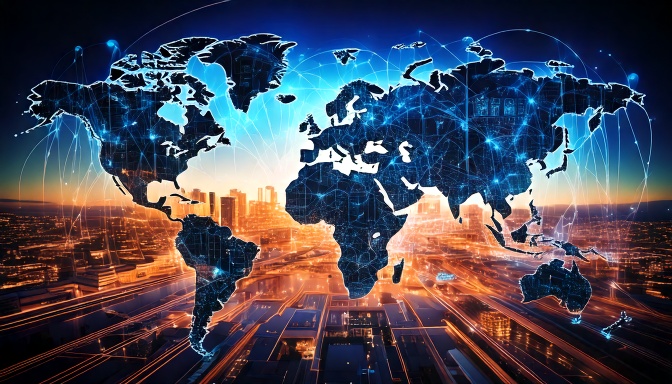
An era has arrived where AI and data play crucial roles in shaping foreign policy on the international stage. As we transition from traditional intuition and experience-based policymaking to data-driven diplomacy, let’s examine the possibilities and challenges that human-AI collaboration brings. How will technological evolution change the nature of diplomacy, and how should we face these changes?
Traditional diplomacy has heavily relied on diplomats’ experience, intuition, and judgment based on historical context. However, with the emergence of AI capable of processing massive amounts of data, it has become possible to detect complex patterns in international relations and make more objective policy decisions. By integrating diverse data sources such as trade data, social media sentiment analysis, and satellite imagery, diplomats can now grasp situations with greater precision than ever before.
The hallmarks of AI-powered data-driven diplomacy are real-time capability and predictive power. By detecting warning signs before international crises occur or simulating policy impacts, more effective diplomatic strategies can be developed. However, while emphasizing data-based objectivity, we must not forget the importance of uniquely human empathy and cultural understanding.
Countries worldwide are already accelerating the integration of AI into diplomacy. The U.S. State Department established its “Center for Analytics” to integrate data analysis into foreign policy. The EU is working with technology companies through its “Global Tech Panel” to build international AI regulatory frameworks. The UN is also tackling international problem-solving with AI through its “UN Global Pulse” initiative.
Concrete applications include AI-powered infection spread prediction models serving as the foundation for international cooperation in cross-border pandemic response. In climate change negotiations, AI analyzes the effectiveness of each country’s emission reduction measures to support more effective consensus-building. In peacekeeping, conflict prediction AI is beginning to function as an early warning system.
The most critical aspect of AI involvement in diplomacy is achieving “collaborative diplomacy” that combines the strengths of technology and humans. While AI excels at massive data processing and objective analysis, only humans can handle the essence of diplomacy—building trust, understanding cultural context, and making moral judgments. A hybrid approach leveraging both strengths will be the key to future diplomacy.
For example, a workflow where AI presents multiple policy options with predicted outcomes, and human diplomats make the final decisions. In diplomatic negotiations, AI provides real-time information analysis support while actual dialogue is handled by humans. By building such collaborative models, we can maximize the power of technology while maintaining human-centered diplomacy.
The evolution of AI and data analytics brings new approaches to previously intractable international problems. For achieving the Sustainable Development Goals (SDGs), AI can contribute to visualizing progress and optimizing resource allocation. In mediating complex international conflicts, AI’s impartial analysis could lead to proposals for unbiased solutions.
In climate action, AI analysis combining each country’s emission data and economic models offers the prospect of fairer, more effective international agreements. For transnational crimes like international terrorism and human trafficking, AI-powered pattern detection and early intervention are gaining attention as new forms of preventive diplomacy.
As AI diplomacy develops, important ethical challenges emerge. Ensuring algorithmic transparency and accountability is essential from the perspective of building trust in diplomacy. As dependency on AI systems grows, cybersecurity and data sovereignty issues are becoming new focal points in international relations. Furthermore, there are concerns that disparities in AI access and technical capabilities between nations could create new forms of international inequality.
Addressing these challenges urgently requires building a global governance framework for AI diplomacy. Establishing pathways to harness technological power for peace and prosperity through international norms and rules governing AI development and use is our shared human challenge.
Japan is establishing a unique position in AI diplomacy. As G7 chair in 2023, Japan led the Hiroshima AI Process, contributing to building international frameworks for AI governance. This initiative became an opportunity for Japan to demonstrate leadership in international AI rule-making. The approach combining Japan’s technological prowess as a digitally advanced nation with its traditional diplomatic emphasis on peace is highly regarded by the international community.
Japan is also strengthening digital partnerships with ASEAN nations through joint development of AI-powered disaster prediction systems and digital infrastructure support, contributing to regional security and economic development. This technology-cooperation-based diplomacy is highly effective for building trust and is attracting attention as a new diplomatic model distinct from traditional economic assistance.
Ensuring cybersecurity is essential for advancing AI diplomacy. If AI systems used in diplomatic negotiations are hacked, serious risks arise including exposure of state secrets and negotiation strategies. The possibility of intentionally distorting AI judgments through adversarial machine learning techniques is a significant concern in the diplomatic field.
Additionally, the evolution of deepfake technology increases the risk of fabricated videos of diplomats’ statements being disseminated. Since AI technology itself can be used as a tool threatening diplomatic credibility, countermeasures from both defensive technology development and international regulation perspectives are required.
Q: Will AI diplomacy completely replace human diplomats?
A: No, AI diplomacy complements rather than replaces human diplomats. Diplomatic negotiations require elements that only humans can provide, such as cultural sensitivity and trust-building. AI supports diplomats’ decision-making through data analysis and scenario prediction.
Q: Can AI diplomacy prevent wars?
A: AI can be useful for early conflict warning and predicting tensions, but ultimately political will and diplomatic efforts are needed to prevent wars. The objective data analysis that AI provides can help avoid emotional decisions and promote calmer judgment.
Climate change negotiations are one of the areas where AI diplomacy has achieved the most results. AI’s real-time analysis of CO2 emission data, economic indicators, and energy compositions from each country, presented as scientific and objective evidence in negotiations, enables constructive discussions that avoid emotional confrontations. The system that automatically monitors progress since the Paris Agreement and visualizes each country’s goal achievement has greatly contributed to improving transparency and trust across the international community.
On the other hand, the risk of misjudging diplomatic situations due to over-reliance on AI predictions has been noted. Since AI models make predictions based on past data patterns, they may not adequately handle unprecedented situations or rapid political changes. A widely shared case where AI judged “the probability of escalation is low” in a regional conflict just before the situation rapidly deteriorated symbolizes AI’s limitations. This lesson has reaffirmed the principle that AI predictions should be treated as just one piece of reference information, with final decisions made by experienced diplomats.
International negotiations over regulating lethal autonomous weapon systems are among the most pressing challenges in AI diplomacy. As the arms race in developing weapons where AI executes attacks without human judgment accelerates, building an international regulatory framework has become urgent. However, the conflicting interests among major military powers make international consensus difficult. This is precisely the arena where the true value of AI diplomacy—fusing data-based calm analysis with human ethical judgment—is being tested.
AI diplomacy extends beyond government-to-government issues, with the private sector playing an increasingly important role. AI platforms developed by major technology companies are effectively functioning as diplomatic infrastructure, and the data and algorithms these companies possess have an undeniable impact on international relations. The increasing frequency of tech company CEOs engaging in direct dialogue with heads of state evidences the private sector becoming a key actor in diplomacy.
Corporate AI ethics policies frequently have significant influence on international AI governance discussions. Going forward, multi-layered stakeholders including NGOs and academic institutions must cooperate to build sustainable systems ensuring the benefits of AI are equitably shared across the entire international community.
As AI diplomacy advances, a basic understanding of AI and international relations is becoming necessary for citizens as well. Knowing how AI is being used in diplomacy forms the foundation for deeper understanding of news and constructive discussions about our country’s foreign policy. As citizens of the digital age, it’s important to take interest in how technology affects international relations, proactively gather information, and form our own informed perspectives.
さらに詳しい情報はAll3DPでご覧いただけます。