AI Writing Tools: 7 Techniques to Streamline Blog Article Creation for Beginners
swiftwand swiftwand.ai
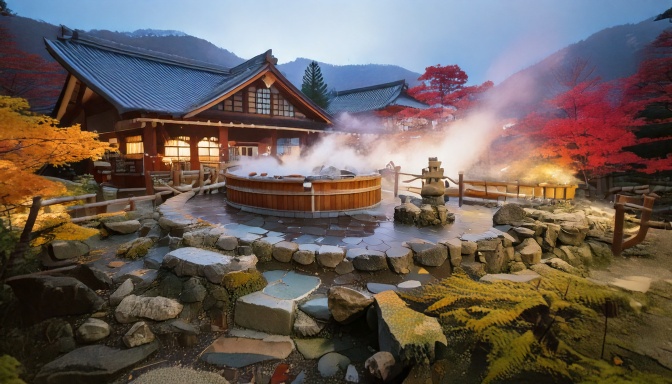
Temperature management and landscape design have always been major challenges in hot spring facility operations. Outdoor baths in particular require responses to temperature fluctuations caused by seasons and weather, as well as maintaining comfortable scenery. Recent advances in AI and IoT technology have brought innovative solutions to these challenges. This article introduces how the latest technologies—including AI hot spring management systems and smart temperature control—are evolving hot spring facilities.
AI hot spring management systems are innovative solutions combining sensor networks with AI technology. They collect real-time data on temperature, humidity, and water quality, automatically maintaining optimal conditions. Implementation significantly reduces the burden of manual management and enables more efficient operations.
Key features include: 24/7 automated monitoring systems, predictive control through data analysis, energy efficiency optimization, and anomaly detection with instant notification.
Smart temperature control systems use IoT hot spring sensors to maintain outdoor bath temperatures at ideal levels. By automatically adjusting temperatures in response to changes in outside air temperature and weather, they consistently provide comfortable bathing environments. AI technology also learns user preferences and optimizes temperature settings based on time of day and season.
Compared to traditional manual temperature management, benefits include: energy consumption optimization (approximately 20% reduction), elimination of temperature inconsistencies for improved comfort, reduced operating costs, and improved staff work efficiency.
AI-powered landscape design offers a new approach to harmonizing natural and artificial elements. Machine learning algorithms analyze surrounding environmental data and propose optimal landscape plans, creating attractive outdoor bath scenery that adapts to seasonal changes and time of day.
AI applications in landscape design include: automated lighting adjustments for ambiance, optimized planting placement suggestions, viewpoint analysis and design, and seasonal adaptation strategies.
The latest IoT hot spring sensors measure not just temperature but diverse parameters including pH levels, dissolved oxygen, and turbidity. This data is centrally managed in the cloud and analyzed by AI. Analysis results are used to maintain and improve hot spring quality and operate facilities efficiently.
Building an effective sensor network requires: proper sensor placement planning, stable data communication, established maintenance systems, and security measures.
AI hot spring management system adoption is progressing at facilities nationwide. For example, one large-scale hot spring facility reported these results within one year of implementation: energy costs reduced by 25%, customer satisfaction improved by 15%, operational efficiency improved by 30%, and water quality management accuracy improved by 40%.
Implementation costs for AI hot spring management systems vary widely based on scale and features. Basic IoT temperature sensors with cloud monitoring can start from around 500,000 yen. Full systems including AI predictive control range from 2 to 5 million yen. However, cost isn’t the only hurdle—staff unfamiliarity with IT can make system operation and troubleshooting challenging. Many facilities opt for regular remote support contracts with vendors.
Despite these challenges, considering fuel cost reductions (typically 10-30% annual savings), most cases see investment recovery within 2-3 years.
The biggest expense for hot spring facilities is boiler fuel and electricity costs. AI hot spring management systems comprehensively analyze weather data, visitor predictions, and source water temperature variation patterns to optimize boiler operation. By efficiently pre-heating before peak hours and automatically reducing output during off-peak times, energy cost reductions of up to 40 percent compared to conventional methods can be expected.
Hygiene risks like Legionella bacteria are the top concern for hot spring facilities. AI sensors monitor water temperature, pH levels, and residual chlorine concentrations 24/7 in real-time, issuing immediate alerts when values deviate from standards. Water quality management that previously relied on manual periodic inspections has transitioned to constant AI monitoring, dramatically improving safety.
A long-established hot spring ryokan in Beppu, Oita Prefecture, implemented a system for AI-based predictive management of source water output and temperature. By predicting subtle fluctuations in source water temperature in advance, maintaining optimal temperatures in private outdoor baths became more stable, and guest satisfaction improved significantly. Staff patrol frequency also decreased, contributing to labor cost reductions.
A large hot spring resort in Hakone implemented bath temperature management linked to AI visitor forecasting. By automatically switching heating patterns between quiet weekdays and busy weekends, they successfully reduced annual energy costs by approximately 35 percent. Additionally, AI-suggested optimal cleaning schedules have improved bath cleanliness.
You don’t need a facility-scale system to make your bath smart. Commercial smart thermometers with companion apps let you check and adjust bath temperature from your smartphone. Apps that record bath additive types and bathing duration, with AI suggesting optimal bathing plans, have also emerged. Starting at just a few thousand yen, they offer an affordable way to upgrade your daily bathing experience.
For those who love visiting hot springs, AI-powered hot spring exploration is recommended. Apps that analyze water quality, therapeutic effects, and congestion levels to suggest springs matching your preferences and physical condition are available. AI can also analyze past review data to help discover hidden gem hot springs. Route optimization features that include nearby tourist spots alongside trip planning are useful for efficient hot spring travel.
Several challenges exist in implementing AI hot spring management systems. Initial investment costs can range from several million yen for small facilities to tens of millions for large ones—a significant burden for small and medium hot spring ryokans. However, government tourism DX subsidies and energy-saving subsidies can cover up to two-thirds of implementation costs in some cases.
Looking ahead, systems that predict changes in hot spring water quality and automatically suggest optimal utilization methods, as well as services that link with guest health data to provide personalized bathing programs, are expected to become practical. As a hot spring powerhouse, Japan has enormous potential to create world-class new hot spring experiences by fusing AI technology with traditional hot spring culture.
For small hot spring facilities, basic sensors combined with cloud services can be implemented from around 1 million yen. Full-scale systems for large facilities may cost over 10 million yen, but investment recovery through energy savings is generally estimated at 3 to 5 years.
Most AI hot spring management systems support retrofitting to existing equipment. Major renovation of piping or bathtubs is typically unnecessary—the mainstream approach involves only sensor installation and network environment setup.
The first step in AI adoption is clarifying current operational challenges. List quantifiable items including energy costs, water quality management effort, visitor fluctuation patterns, and staff workload. Start by installing temperature sensors and flow meters for basic data collection. A minimum of 3 months is recommended for data accumulation, with one year of data being ideal for capturing seasonal variations.
Hot spring AI management systems broadly fall into two types: cloud-based and on-premise. Cloud-based systems have lower initial costs with monthly pricing, suitable for smaller facilities. On-premise systems offer higher security, suited for large facilities or those requiring custom configurations. Get quotes from multiple vendors and attend demonstrations before making decisions.
Rather than full-scale deployment from the start, begin with a trial run on a single bath. Measure temperature management accuracy and energy reduction effects, confirm return on investment, then gradually expand to other baths and facilities. Regular post-implementation data analysis to improve AI learning accuracy maximizes long-term effectiveness.
AI hot spring management systems have potential beyond just facility efficiency—they can contribute to revitalizing entire regions. Integrated AI analysis of data from multiple hot spring facilities can determine optimal utilization of regional hot spring resources. For example, real-time sharing of source water output data can prevent excessive extraction across the region, enabling sustainable hot spring use.
AI can also combine tourist movement data with hot spring congestion data to automatically generate regional tour plans linking accommodations and restaurants. Japan has approximately 3,000 hot spring areas, and differentiation and synergy between regions through AI utilization will be a major theme going forward.
Iceland’s Blue Lagoon pioneered smart hot spring management combining geothermal energy with AI. They dynamically adjust facility capacity based on visitor predictions, providing optimal bathing experiences while avoiding overcrowding. Hungary’s Szechenyi Baths has also attracted attention with a management system balancing historical building preservation with AI technology. Opportunities are growing to export Japanese hot spring technology and AI management know-how internationally, positioning hot spring technology as a potential Japan-origin global industry.
The concept of “AI Medical Hot Springs”—scientifically analyzing hot spring therapeutic effects with AI and proposing optimal bathing programs based on individual health conditions—is gaining attention. Users wear wearable devices to measure heart rate and blood pressure while bathing, with AI providing real-time advice on bathing duration and optimal water temperature.
Services suggesting optimal water qualities and bathing methods for specific conditions like hypertension, chronic fatigue, and shoulder stiffness have the potential to create new value in hot spring therapy. Demonstration experiments combining hot spring medicine with AI are already underway in Kusatsu, Gunma Prefecture. If such initiatives spread, hot springs could be reevaluated not just as tourism resources but as centers for preventive medicine and health promotion.
さらに詳しい情報はAll3DPでご覧いただけます。
AI hot spring management systems represent a groundbreaking initiative to evolve Japanese hot spring culture through the power of technology. The benefits are wide-ranging: optimized temperature management, reduced energy costs, safe water quality management, and improved guest satisfaction. The era of smart bathing even at the individual level has arrived, and the fusion of technology with hot springs is becoming increasingly accessible. Expectations are rising for a uniquely Japanese future of hot springs that preserves tradition while embracing innovation.