AI Dream Analysis: Best Apps, Practical Methods & Reading Your Subconscious (2026 Edition)
swiftwand swiftwand.ai
As AI-generated art gains attention in the modern world, many artists and creators are asking: “What happens with copyright for AI art?” Can creativity be recognized in works produced by AI, and who can claim intellectual property rights? This article explains the complex copyright issues surrounding AI art in a rapidly changing digital art environment. This will be essential knowledge for those who want to incorporate AI into their creative process or who are interested in the legal status of AI art.
AI art refers to artistic works generated using artificial intelligence technology. The key difference from traditional digital art lies in AI’s autonomy in the creative process. Modern AI art tools have the ability to learn from vast collections of existing works and produce new visual expressions.
AI art is primarily built on machine learning technology, particularly deep learning. Algorithms such as GANs (Generative Adversarial Networks) and Diffusion models learn features from large amounts of image data and generate new images based on that learning. When a user inputs a prompt (instruction text), the AI creates a unique work based on those instructions.
In traditional art production, the artist’s technique, sensibility, and experience are directly reflected in the work. With AI art, human involvement is mainly limited to creating prompts and selecting/editing generated results. This change in the creative process has created new challenges from a copyright perspective.
Copyright law has traditionally been designed to protect “human creativity.” However, AI-generated works don’t easily fit into this framework. While approaches differ by country’s legal system, the discussion around AI art copyright largely centers on the following points.
Copyright law generally requires “creativity” for a work to be protected. Since AI doesn’t possess thoughts or emotions, works autonomously generated by AI may not strictly meet the traditional definition of copyrightable works.
In the United States, the Copyright Office has taken the position of refusing copyright registration for “works created without human authorship.” The UK, on the other hand, has provisions granting copyright for “computer-generated works” to the person who made the necessary arrangements for their creation. In many countries including Japan, clear legal frameworks specifically for AI art have not yet been established.
If copyright is recognized for AI art, to whom do the rights belong? Possible candidates include the AI tool developer, the user who created the prompt, and the artists who provided the training data. Currently, in many jurisdictions, the AI tool user is considered to have the strongest claim to rights, though this remains debatable.
If the data AI used for training is itself copyrighted, does a work generated from that data constitute copyright infringement? This issue is being fought in actual courts, with painters filing class-action lawsuits against AI companies like Midjourney in 2023. Many legal experts point out that whether the AI learning process qualifies as fair use will be a critical criterion.
Rather than viewing AI as a rival, many artists are incorporating it as a tool to expand their creative process. AI can complement human creativity in areas like idea generation, rough sketch creation, and variation exploration. For example, illustrators are increasingly using AI-generated drafts as a base, then finishing with their own technique and sensibility.
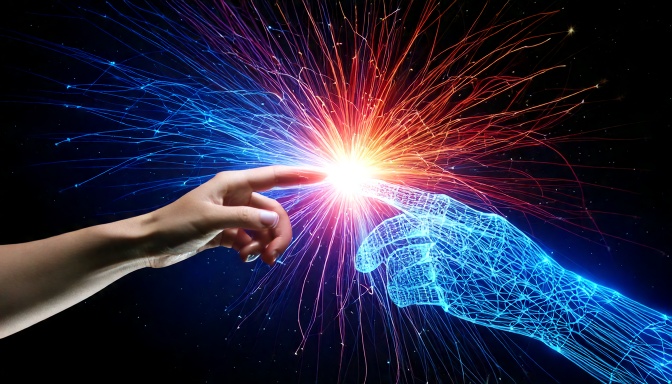
While AI lowers technical barriers to image generation, human artists maintain clear advantages in areas like concept design, cultural context understanding, and emotional expression. The most valuable works are born when AI’s technical capabilities merge with human creative vision. From this perspective, artists can explore new creative possibilities through collaboration with AI.
When creating works using AI, it’s ethical to clearly state that fact. Many AI art contests, galleries, and NFT marketplaces require transparency regarding AI usage. Documenting the AI tools used, prompts, and post-editing details provides background information about the work and enhances credibility.
When using AI tools, reviewing the service’s terms of use is essential. Some AI art generation services grant users commercial use rights for generated images, while others impose restrictions. When using AI art for commercial purposes, choosing legally safe options is important.
Legislative bodies and courts in various countries are revising legal frameworks to address AI art copyright issues. The EU, for instance, is developing rules for ensuring transparency of AI-generated content and regulating the use of copyrighted data as part of its “AI Act.” Legal guidelines specifically for AI art are likely to be established within the next few years.
Alongside legal framework development, technical solutions are also evolving. These include blockchain-based provenance verification for works, transparency about data used in AI training, and opt-out systems that allow artists to exclude their works from AI training. These technologies may become practical solutions to AI art copyright issues.
AI art copyright issues fundamentally challenge our concepts of creativity and intellectual property in the digital age. While legal uncertainty remains, a path toward coexistence between AI and human creativity is gradually becoming visible. As an artist or creator, what matters is recognizing AI’s potential while understanding legal risks and appropriately incorporating it into your creative activities.
By viewing AI not as a mere replacement but as a tool that expands creativity, you can open new horizons of expression. The world of AI art evolves daily. Staying informed about the latest legal developments and technological advances while continuing your creative work will be key to navigating this era of transformation. Explore how AI can contribute to your own creative journey.
さらに詳しい情報はAll3DPでご覧いただけます。