Top 5 AI Time Management Tools: Proven Techniques to Dramatically Boost Your Productivity
swiftwand swiftwand.ai
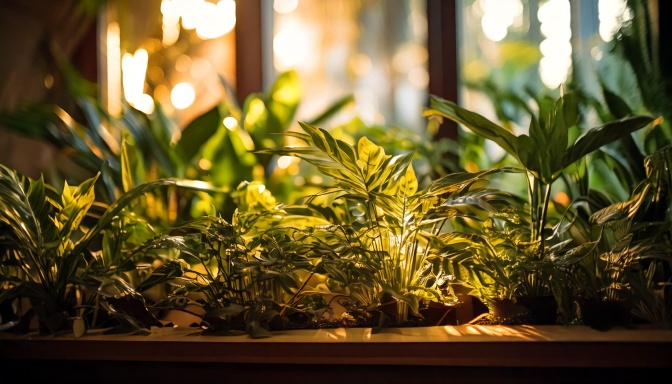
Are you feeling overwhelmed by daily watering and pest control, turning your home garden into a burden? AI gardening, which has been gaining attention recently, is a groundbreaking solution to these problems. Smart gardening using sensors and image recognition technology not only streamlines plant cultivation but also creates an environment where even beginners are unlikely to fail. In this article, we’ll explore the latest trends in AI-powered home gardening along with the pros and cons of adoption.
AI gardening is a system that uses artificial intelligence technology to optimize plant growing conditions. Soil sensors measure moisture levels and nutrient status, while cameras monitor plant growth and signs of disease. AI analyzes all this data and automatically performs watering and fertilizing at optimal times.
For example, the system automatically waters when soil becomes dry, or turns on supplemental lighting when it detects insufficient sunlight, maintaining ideal conditions for plants. More advanced systems can make fine adjustments based on plant species and growth stage. This enables even beginners to create a home garden environment where failure is unlikely.
The latest smart gardening systems are equipped with soil moisture sensors, temperature sensors, light sensors, and more. These sensors monitor plant growing conditions around the clock, collecting data continuously. Soil moisture sensors maintain appropriate water levels and prevent root rot from overwatering. Light sensors measure sunlight exposure and automatically activate supplemental lighting when insufficient.
AI-powered image recognition technology helps detect plant diseases and pests early. Cameras regularly photograph plants, and AI analyzes leaf discoloration and shape abnormalities. When signs of pests or disease are detected, a notification is sent to your smartphone along with suggested remedies. This allows you to take appropriate measures before damage spreads, significantly improving plant cultivation success rates.
Various AI gardening systems are commercially available today. Small automatic watering systems start at around 5,000 yen and can be remotely controlled via smartphone. More advanced smart planters that handle watering, automatic fertilizer supply, and light adjustment are available for 20,000 to 30,000 yen. For DIY enthusiasts, self-build kits using Raspberry Pi or Arduino are also popular, allowing you to construct a basic automation system for under 10,000 yen.
The biggest advantage of AI gardening is the automation of daily maintenance tasks. Even busy modern people can grow plants without worrying about watering or environmental management. Research has shown that providing data-driven optimal growing conditions increases harvest yields by an average of 30%. Plus, you can check on your plants via smartphone even while traveling and operate the system remotely if needed.
On the other hand, introducing smart gardening systems requires upfront investment. Some technical knowledge may be needed for device setup and app operation. Additionally, fully automated systems may reduce hands-on interaction with plants, potentially diminishing the joy of “getting your hands dirty” that makes gardening special.
If you’re starting with AI gardening, we recommend beginning with a small automatic watering system. Simple sensors that connect to your smartphone are available at relatively low cost. As you get comfortable, you can upgrade to more advanced systems with temperature management and light adjustment features. Joining online communities and social media groups lets you get information and advice from fellow enthusiasts. Don’t be afraid of failure—experiment gradually to find your own AI gardening style.
As of 2026, numerous AI gardening apps are available for smartphones. Apps that identify plant species just by taking a photo and suggest optimal watering schedules and fertilizer formulations are invaluable partners for gardening beginners. Many free apps also feature weather forecast integration to automatically adjust watering timing, preventing forgotten watering during trips.
For those wanting a more serious AI gardening experience, smart devices like soil sensors and automatic irrigation systems are recommended. Sensors that measure soil moisture, pH levels, and nutrient content in real-time and send notifications to your smartphone are available at reasonable prices starting from a few thousand yen. These devices connect to AI cloud services and learn optimal growing conditions from accumulated data, improving accuracy the longer you use them.
When starting AI gardening, we recommend beginning with relatively easy-to-grow vegetables. Leafy greens like cherry tomatoes, basil, and lettuce work well with AI sensors, and their growth data changes are easy to observe, making them ideal for beginners to learn from. Cherry tomatoes are particularly great because sensor data changes visibly correlate with actual fruit growth, making it easy to see AI gardening in action.
For intermediate gardeners and above, strawberries and herbs are excellent choices. Strawberries require strict temperature and humidity management, but with AI environmental control, you can expect more stable harvests than with open-field cultivation. Herbs each require different watering frequencies, making AI’s individual plant management feature especially useful.
One of the most common AI gardening mistakes is over-relying on sensor data. Even when the soil sensor shows “sufficient moisture,” deeper root zones may be dry. While trusting AI’s judgment, it’s important to develop the habit of regularly checking soil conditions with your own eyes and hands. Another frequent issue is starting without proper initial setup. If you don’t accurately input the plant variety and location’s sunlight conditions into the AI, it will generate irrelevant advice. Take time with the initial configuration and register as much detailed information as possible.
To enjoy AI gardening year-round, seasonal work planning is essential. Spring is the season for sowing and transplanting seedlings, with AI predicting optimal planting times from past temperature data. Summer is when pests and diseases are most active, making AI image recognition for early detection most valuable. Fall is harvest and soil preparation season, with AI suggesting soil improvement plans for the next growing period. Winter can be used for indoor cultivation and planning, with AI analyzing past data to automatically create next year’s cultivation plan.
Q: How much does it cost to start AI gardening?
A: You can start with free apps at zero cost. If introducing devices like soil sensors, expect to spend around 3,000 to 15,000 yen. Including an automatic irrigation system brings the total to about 20,000 to 50,000 yen, but considering water bill savings and increased yields, the cost-performance ratio is favorable.
Q: Can I do AI gardening on an apartment balcony?
A: Absolutely! In fact, AI’s precise environmental management really shines in limited spaces like balconies. Many compact sensors designed for container gardening are available, and AI will suggest optimal cultivation methods even for balconies with limited sunlight.
One of the biggest environmental benefits of AI gardening is significant water conservation. With traditional manual watering, excess water is often used, and home gardens can waste thousands of liters annually. AI-controlled irrigation systems combine soil moisture sensor data with weather forecasts to deliver exactly the amount plants truly need. Reports indicate this can reduce water usage by up to 50%.
Early detection of pests and diseases through AI image recognition directly contributes to reducing pesticide use. When symptoms are caught early, localized treatment is sufficient, eliminating the need to spray entire fields. Furthermore, AI learns from past occurrence patterns and predicts conditions favorable for pest and disease outbreaks, enabling preventive measures. For those aiming for pesticide-free organic cultivation, AI-assisted pest management is an invaluable ally.
Growing vegetables at home inherently reduces food miles, and when AI gardening improves yields and success rates, you can further reduce the amount of vegetables purchased from supermarkets. Reducing CO2 emissions from transportation is meaningful as an individual-level climate action. If you can stably produce leafy greens and herbs for your family at home, you achieve household food cost savings and environmental protection simultaneously.
AI gardening is expanding beyond individual hobbies into community applications. On platforms where cultivation data is shared online, gardeners in the same region exchange insights about climate conditions and soil characteristics. By integrating data from all users, AI can provide region-specific advice like “this variety has the highest success rate in this area during this period.”
AI gardening kits are also being adopted in schools as teaching materials where children can learn about both technology and nature. The social value of AI gardening—fostering intergenerational exchange through home gardens and revitalizing neighborhood communication through sharing harvests—is generating significant interest.
For users with large gardens or farmland, the integration of drones and AI offers a revolutionary gardening experience. Small drones photograph entire fields from above, and AI performs image analysis to check the health status of plants across all areas simultaneously. Some services combine this with precision spraying via drones, enabling pinpoint treatment only in areas where pest issues are detected. Even for home-scale gardens, compact indoor drones that patrol and check plant conditions are under development.
The ability to simply point your smartphone camera to get AR displays of plant names and current health status is gaining popularity. When paired with AR glasses, you can receive hands-free cultivation guidance while working, allowing even beginners to proceed confidently. In the future, services that let you use AR to simulate completed garden layouts during the design phase are expected, enabling you to verify sunlight conditions and plant compatibility before planting.
Cutting-edge research is combining AI with plant genetic analysis to develop systems that recommend varieties optimized for specific environmental conditions. Input your home soil data and climate conditions into AI, and it displays a list of varieties with the highest success probability, even auto-generating year-round cultivation plans. As this technology becomes widespread, truly made-to-order gardening experiences fully customized to individual regions and environments will become reality.
For long-term enjoyment of AI gardening, it’s important not to rely too heavily on technology while also developing your own observation skills. Use AI advice as a reference, but cherish sensory observations like “the leaf color seems a bit pale today” or “this flower is opening differently than usual.” Combining data and intuition leads to a deeper gardening experience.
Keeping photo-documented cultivation records not only improves AI learning accuracy but also serves as a personal growth diary. The pleasure of looking back at seasonal changes is a unique joy of technology-enhanced AI gardening.
AI gardening isn’t just about introducing technology—it’s about proposing a new way of relating to plants. With AI suggesting data-driven optimal care, even beginners can start gardening without fear of failure. The key is not to think of AI as an all-knowing tool, but to use it as if getting advice from an experienced senior gardener. Harness the power of technology and experience the joy of putting vegetables you’ve grown yourself on the dinner table.
さらに詳しい情報はAll3DPでご覧いただけます。