Triple Your Sales with Shopify Magic AI: 2026 Latest Free AI Tools, Sidekick, and Auto-Generated Product Descriptions (Complete Guide)
swiftwand swiftwand.ai
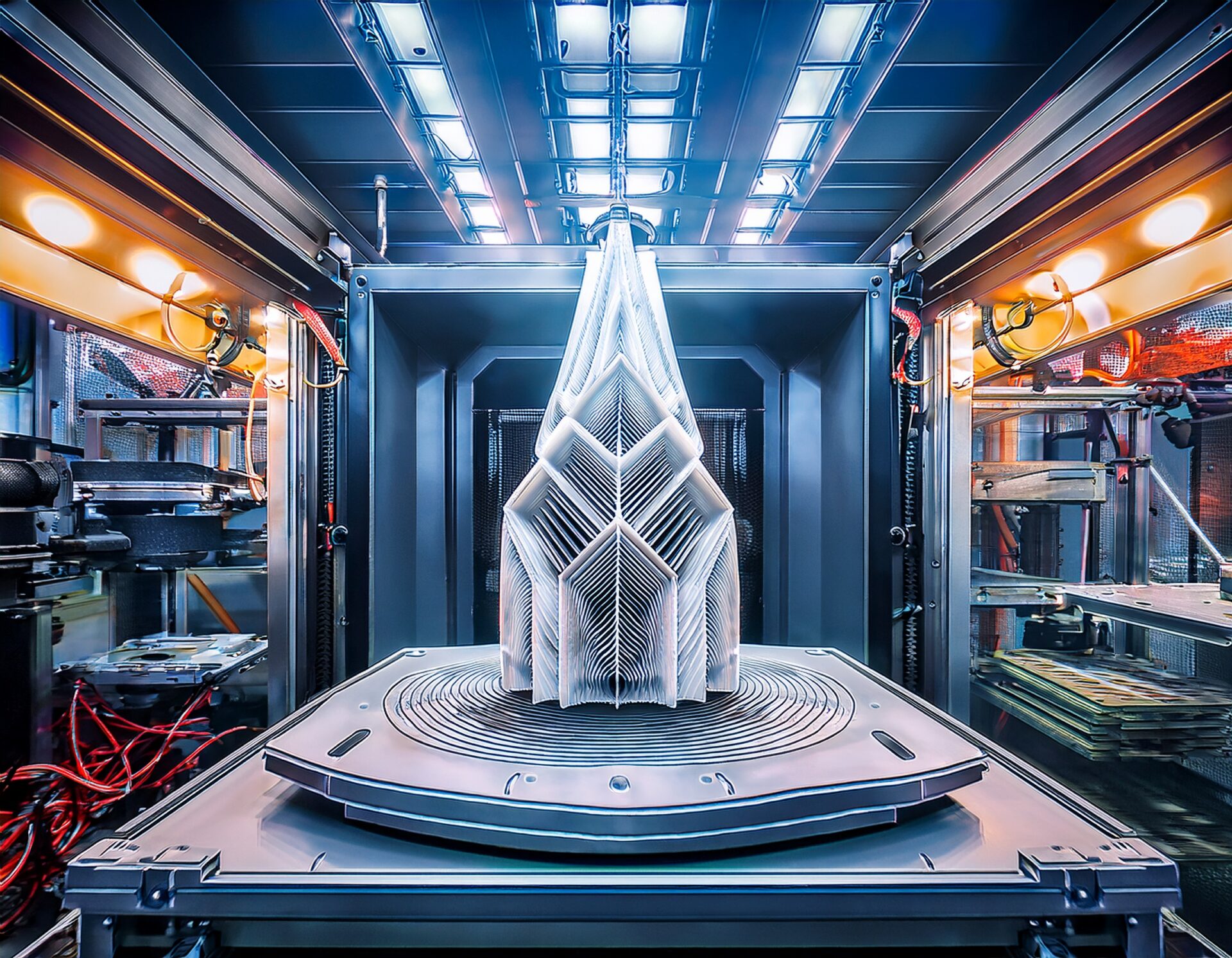
A new wave of technological innovation — “AI × 3D Printing” — is sweeping the manufacturing industry. The system attracting the most attention is Tokoshie’s AI-equipped 3D printer system. This technology, which stands apart from conventional 3D printing, automates the entire process from design to manufacturing, bringing revolution to production floors.
This article provides a detailed explanation from Tokoshie AI 3D printer’s technical features to its real-world implementation benefits. Essential reading for anyone considering streamlining custom parts production or accelerating new product development.
Tokoshie is a startup developing an innovative manufacturing platform that fuses AI technology with 3D printing. The company has participated in the Techstars Tokyo accelerator program, with both its technology and future potential highly evaluated.
Their mission is to streamline and automate the “design,” “prototyping,” and “manufacturing” stages of conventional production processes through AI. Their technology for seamlessly connecting 3D CAD design work through to 3D printing manufacturing has attracted significant industry attention.
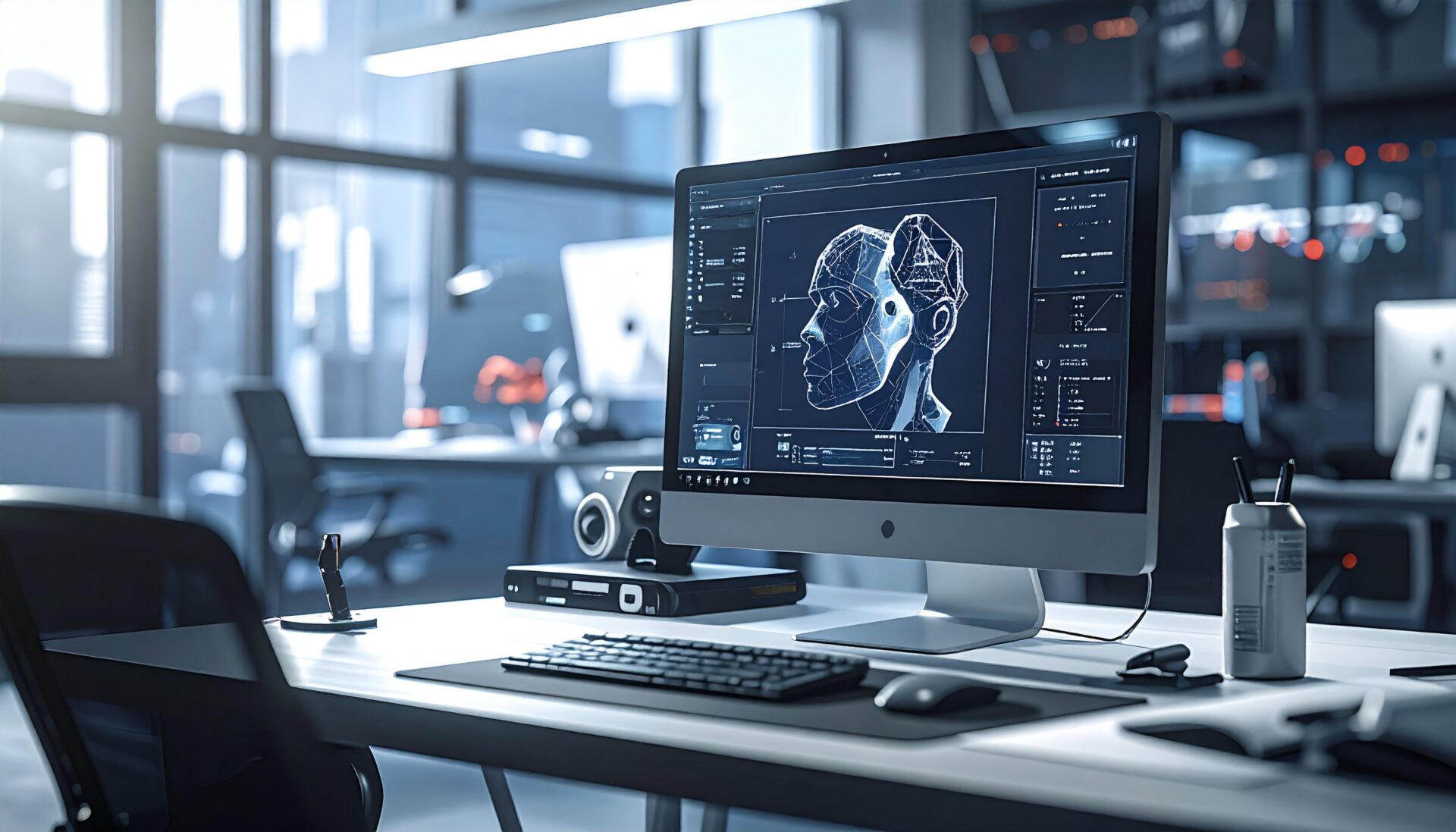
The standout feature of Tokoshie’s AI 3D printer is its AI-powered automated design function. Design work that previously required experienced engineers spending hours to days on 3D CAD is now automatically executed by AI in a fraction of the time:
This system enables even personnel with limited design experience to complete professional-level designs in a short time.
Beyond design, AI also optimizes the manufacturing process. Critical 3D printing parameters such as layer pitch, print speed, and support material placement are automatically adjusted by AI — simultaneously reducing manufacturing time and improving quality.
Traditional 3D printing required detailed design in 3D CAD software followed by conversion to printer-compatible data — a process demanding specialized knowledge and considerable time. With Tokoshie’s system, simply inputting requirement specifications triggers AI to automatically generate optimal designs, reducing design time to one-tenth or less of conventional methods.
Manual design previously caused quality variations depending on the designer’s skill level. AI automated design guarantees a consistent minimum quality standard, enabling even inexperienced staff to achieve results equivalent to veteran designers.
By bringing previously outsourced design work in-house, simultaneous cost reduction and faster delivery become achievable.
Tokoshie’s AI engine has been trained on massive volumes of design and manufacturing data, offering versatility across diverse industries and applications. Its machine learning algorithms also feature a mechanism that improves accuracy with each use.
Manufacturing precision supports down to 0.1mm minimum, enabling industrial-grade precision parts production.
Leveraging Tokoshie’s AI automated design, you can efficiently manufacture custom parts tailored to customer requests. Appliance replacement parts, industrial jigs and fixtures, custom cases — single-unit and small-lot manufacturing can generate ¥5,000–¥50,000 per order. AI design’s labor reduction directly improves profit margins.
Offer AI 3D printer implementation support and manufacturing process optimization consulting. SME manufacturers often lack 3D printer adoption know-how, creating demand for one-stop support from design through output settings — commanding monthly retainer contracts of ¥50,000–¥300,000.
Provide one-stop service from idea to prototype for startups and individual inventors. AI design optimization delivers prototypes that balance strength and weight reduction in short timeframes, with per-project revenue of ¥30,000–¥200,000.
While Tokoshie operates primarily as a B2B 3D print service, sole proprietors and small business operators can also use it. Request a quote through the official website and discuss manufacturing specifications. Minimum lot sizes and pricing vary by project, so initial inquiry is recommended.
The core technique is called topology optimization. Input the required strength and load conditions for a part, and the AI automatically generates the lightest possible design by removing unnecessary material. This produces organic structures that are difficult for human intuition to achieve, enabling 20–50% weight reduction and material cost savings compared to conventional designs.
For production runs under 1,000 units, mold-free 3D printing is advantageous. Between 1,000–10,000 units, the decision depends on product complexity. Above 10,000 units, injection molding’s cost advantage becomes clear. 3D printing’s strengths lie in “high-mix low-volume” production and “design freedom” — enabling internal structures and hollow geometries impossible with injection molding.
For AI design, the design itself completes in hours to one day. Manufacturing varies by material and size: resin parts typically take 3–7 business days, metal parts 5–14 business days. Express options are available for urgent orders.
AI-driven 3D printing is evolving rapidly, with further breakthroughs expected from 2026 onward. First, generative AI and CAD integration is advancing toward an era where you can simply instruct “make a bracket this size that withstands this load” in natural language to complete optimal design. Multi-material AI optimization research is also progressing, with technology to automatically place hard and soft sections within a single part approaching commercialization.
AI-powered quality inspection is another important trend. Real-time monitoring during manufacturing with AI assessment is becoming standard for detecting and correcting defects at the production stage. This will accelerate 3D printing’s evolution beyond “prototyping” into a mainstream mass-production method in manufacturing.
It depends on material and method, but FDM resin parts typically achieve 60–80% of injection molding strength. SLS (Selective Laser Sintering) and MJF (Multi Jet Fusion) methods can match injection molding strength. Metal 3D printing (DMLS/SLM) can produce parts with mechanical properties equal to or exceeding cast components.
Tokoshie’s AI 3D printer service is a next-generation manufacturing platform where AI optimizes everything from design to production. Three key strengths — weight reduction through topology optimization, quality standardization, and dramatic reduction in design labor — are overturning conventional manufacturing assumptions.
For SMEs and sole proprietors in particular, the ability to manufacture high-quality custom parts without molds is a major advantage. Start by requesting a quote on the official website to verify how much AI optimization can benefit your parts manufacturing. Beginning with small parts and gradually scaling up to complex products is the smart, low-risk approach to adoption.
さらに詳しい情報はAll3DPでご覧いただけます。