AI Slicer Revolution 2026: When Neural Networks Rewrite Your G-code
swiftwand swiftwand.ai
Someone saw your print and said you could sell it. Or you listened to the machine run past midnight and thought that time might as well earn something. That is usually how selling 3D prints begins, and it is also where most people stop. Ideas for what to make arrive easily. The shape of how to sell does not.
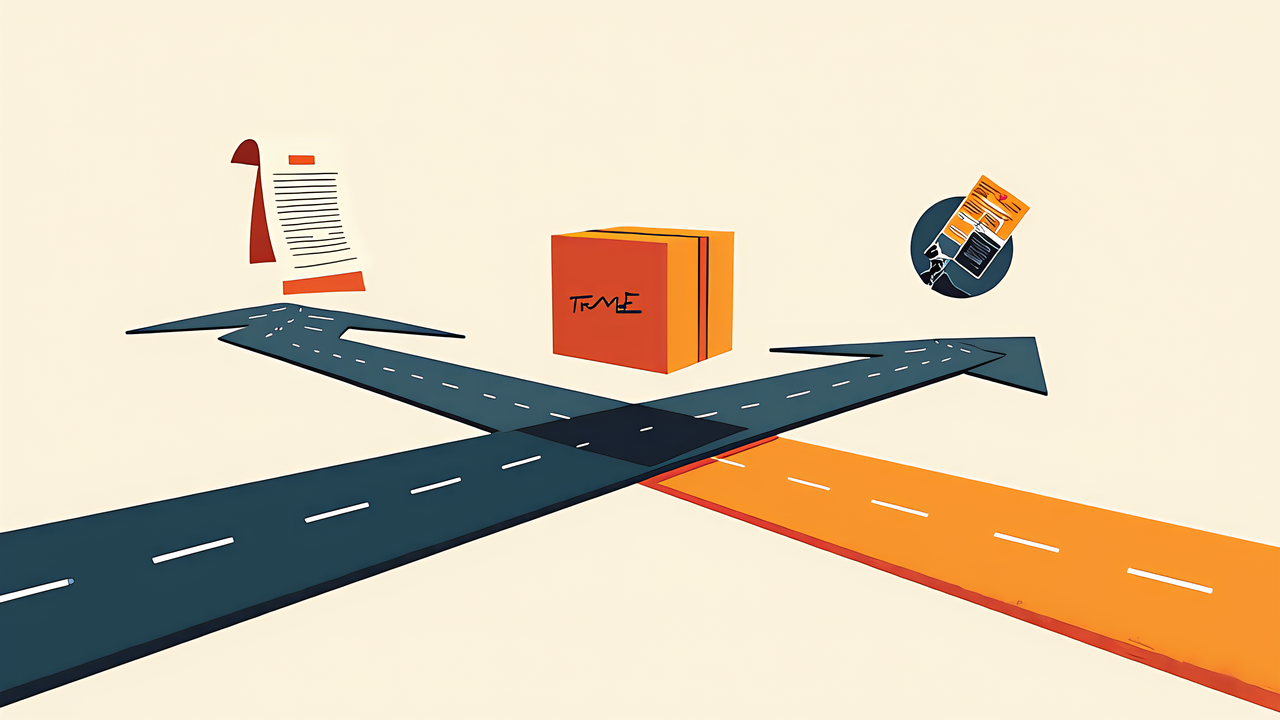
The blocker is rarely a lack of imagination. It is starting to design a product before deciding on a selling format. Whether you sell a finished object, the design file, or your design labour changes the equipment you need, the hours you spend, and the legal duties you carry. This article separates the three formats and sets out what each one demands and what it gives back.
Most people begin with what would sell. Phone stands, cat-shaped containers, custom console parts. The ideas are endless, and then nothing moves. You cannot settle on a price, you do not know where to list, and you are not certain you are even allowed to sell it. The stall happens at the same place every time.
There is a structural reason. Choosing the product first does not let you calculate cost. The same phone stand carries packaging, postage and inventory if you ship it as an object, and none of that if you sell it as a file. The first consumes several hours of machine time on every single sale; the second costs almost nothing after the initial design is finished. Different cost structures produce different fair prices and different sales volumes needed to make the effort worthwhile.
Working backwards from the market is sound advice. But one decision sits in front of it: which format you enter the market with. The venues, the competitors and the skills required are separate worlds for each format. Get the order wrong and most of what you research will not apply to you.
This is the format everyone pictures. You design, print, post-process, pack and ship a physical object. It is the easiest to explain and the hardest to scale, because every unit consumes machine hours, material and your hands.
The cost side carries eight components rather than one: filament, electricity, machine depreciation, consumable parts, failed prints, packaging, postage and platform fees. Counting only filament is what produces the familiar outcome of steady sales and no money left over.
The obligations are also heaviest here. A physical object that fails can injure someone, which brings the Product Liability Act into play, and that statute does not require you to be operating for profit. Selling online also makes you a distance seller under the Specified Commercial Transactions Act, with disclosure duties attached.
Here you sell the file and never print for the customer. No inventory, no packaging, no postage, and no machine time per sale. Once the design exists, the marginal cost of the next sale is close to zero, which is the only version of this business that scales without more of your hours.
The trade is that the design has to be good enough to stand alone. A buyer who downloads your file prints it on a machine you have never seen, with filament you did not choose, at settings you did not set. Tolerances that worked on your printer may not survive that. Documentation, sensible clearances and printability without supports matter more than surface finish.
The legal picture shifts too. Software is explicitly outside the definition of a product under the Product Liability Act, so a design file is not covered by that framework. That is not the same as carrying no responsibility: the sale is still distance selling, and disclosure duties including the operating environment for software still apply.
The third format sells neither an object nor a file but the design work itself. A customer arrives with a broken bracket, a cavity that needs a cover, or a fixture that does not exist. You model it, and often print it as well.
Pricing here is hourly rather than per unit, which changes the arithmetic completely. There is no inventory risk and no listing that sits unsold, but there is also no leverage: income stops when you stop working. It suits people who already model quickly and who are comfortable talking to customers about requirements, because most of the difficulty is in specification rather than printing.
It is also the format with the shortest path to a first sale. One customer with one problem is enough, whereas a listing needs traffic before it converts.
| Aspect | Finished goods | Design data | Made-to-order design |
|---|---|---|---|
| Cost per additional sale | High: material, machine time, packing, postage | Near zero | Your hours, every time |
| Inventory risk | Yes | None | None |
| Scales without more hours | No | Yes | No |
| Product Liability Act | Applies | Software is outside the definition | Applies to anything you print and hand over |
| Disclosure duties when selling online | Yes | Yes, including operating environment | Depends on how you contract |
| Time to first sale | Medium | Slow: needs traffic | Fast: one customer is enough |
Start from what you have rather than from what sounds attractive. If you own one printer and a few free evenings a week, finished goods will cap out quickly, because the ceiling is machine hours you do not have. If you enjoy modelling more than sanding and packing, data is the better fit even though the first sale takes longer. If you want revenue this month and are comfortable with customer conversations, made-to-order design gets there fastest.
Nothing stops you from combining formats later, and most people eventually do: a design sold as a file, the same design offered printed for buyers without a machine, and occasional commissions. The point is not to pick one forever. It is to pick one first, so that the cost calculation, the venue and the legal checklist you go and research are the ones that actually apply to you.
This article is a general overview rather than legal advice. How any particular transaction is treated depends on its facts, and a lawyer or the relevant agency is the right place to take specific questions.