Claude Code Spring 2026 Update Roundup — Mastering auto mode, /ultrareview, and xhigh effort
swiftwand swiftwand.ai
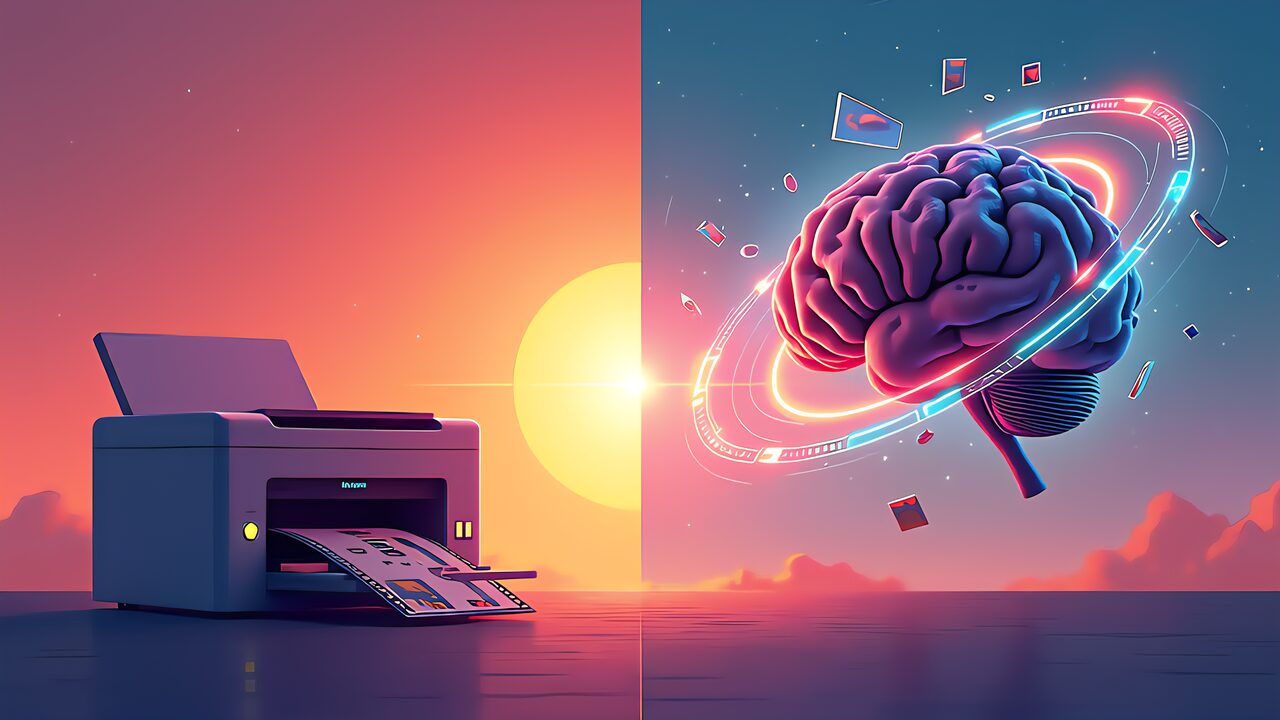
The ChatGPT image generation landscape is undergoing a major transformation in May 2026. DALL-E 2 and DALL-E 3, long synonymous with OpenAI’s image generation, are scheduled for deprecation on May 12, 2026 — just four days after this article’s publication. The Sora video generation app was already deprecated on April 26, 2026, with its API shutting down on September 24, 2026. Every article that mentions “creating 3D print assets with DALL-E and Sora” is now outdated.
This article contains affiliate links. As an Amazon Associate, we earn from qualifying purchases.
The reality 3D printing makers need to understand as of May 2026 is: OpenAI’s image generation has consolidated to GPT Image 1.5, and video generation has moved outside OpenAI (to Veo, RunwayML, Luma). This article verifies the current state of ChatGPT image generation using OpenAI official sources (platform.openai.com, help.openai.com, openai.com/policies) as of May 1, 2026, and rebuilds a 3D printing asset generation workflow using only currently available tools.
All model names, deprecation dates, and license information were verified on OpenAI official documentation and community forums as of May 1, 2026. DALL-E will be deprecated shortly after this article’s publication, so all new implementations should use GPT Image 1.5 / 1-mini / 2 only.
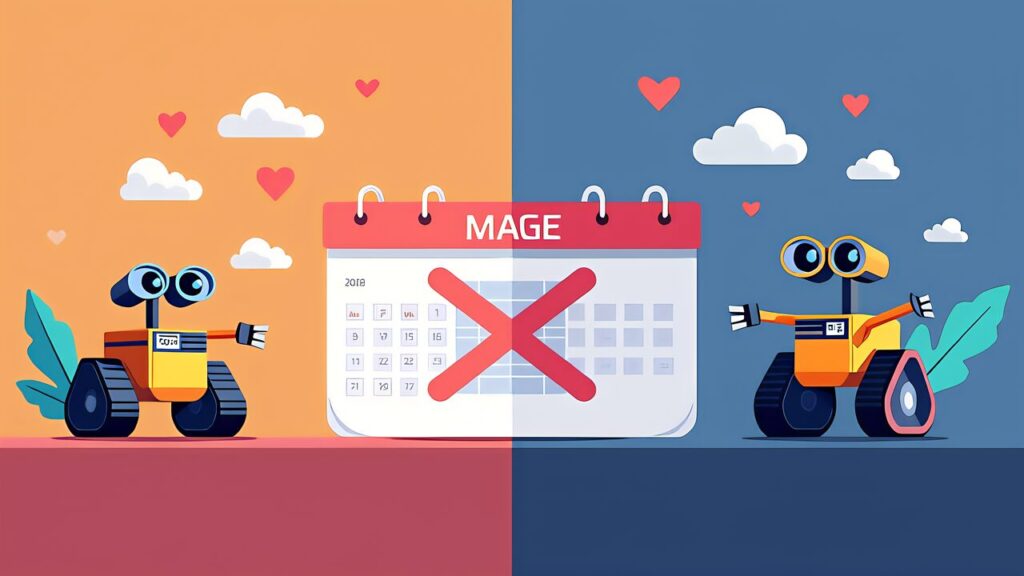
OpenAI’s image/video generation ecosystem underwent massive restructuring in 2026. The DALL-E lineup has transitioned to the GPT Image lineup, and Sora 2 has been completely shut down. This isn’t just a model swap — it reflects OpenAI’s shift from “separate models for text, image, and video” to a “multimodal unified model” architecture.
The DALL-E 2 and DALL-E 3 deprecation was announced on November 14, 2025, with the shutdown date set for May 12, 2026. After this date, API requests to /v1/images/generations with DALL-E model strings will stop working. The recommended migration path is to gpt-image-1 and gpt-image-1-mini (for basic generation) or gpt-image-2 (for premium generation with reasoning).
Sora, OpenAI’s video generation model, had its consumer app deprecated on April 26, 2026. The API remains available until September 24, 2026, but OpenAI has signaled that video generation is no longer a priority product area. Makers needing video content should look at alternatives like Google’s Veo, RunwayML, or Luma.
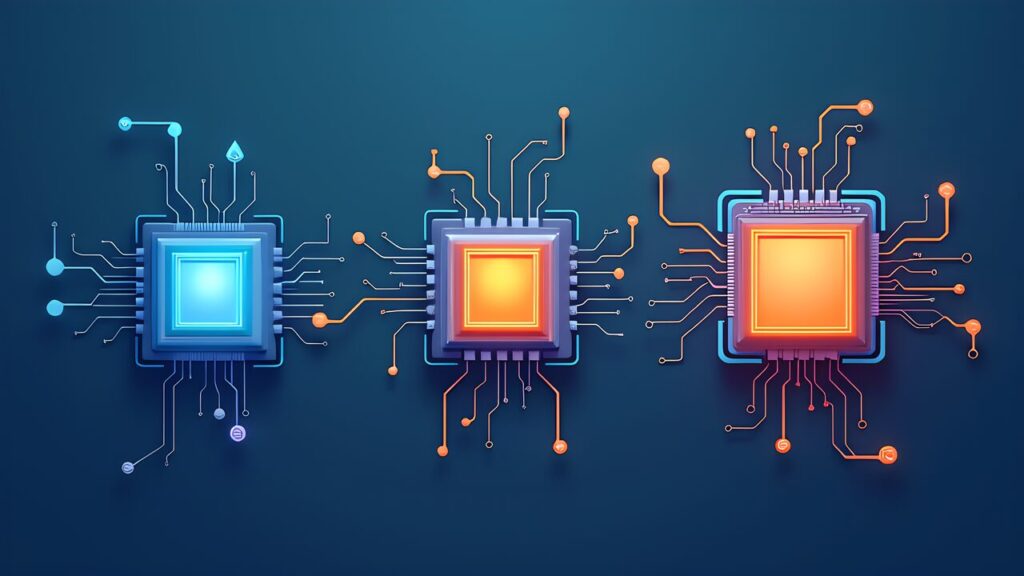
| Model | Release Date | Key Features | Best For | API Price (per image) |
|---|---|---|---|---|
| GPT Image 1-mini | 2025-04 | Fast, cost-effective | Thumbnails, quick concepts | ~$0.02 |
| GPT Image 1.5 | 2025-12-16 | 4× faster than 1.0, precise edits, 20% cheaper | Production assets, iterative refinement | ~$0.04 |
| GPT Image 2 | 2026-04-21 | Reasoning-powered, 2K resolution, batch of 8, character consistency | Premium content, multi-image sets | ~$0.08 |
GPT Image 2 is the standout model for makers. Unlike DALL-E 3 (which was externally connected to ChatGPT), GPT Image 2 is natively integrated into the GPT architecture and includes O-series reasoning capabilities — it’s the first image model that “thinks before it generates.” It supports 2K resolution, aspect ratios from 3:1 to 1:3, and can generate up to 8 coherent images from a single prompt with character and object continuity across the batch.
Reading benchmarks critically is much easier once you have seen how these models are built.

 ポチップ
ポチップ
ChatGPT Plus ($20/month) users access GPT Image 1.5 by default within chat. You can generate images, edit existing images (inpainting/outpainting), and use images as input for analysis. Usage is rate-limited but sufficient for most individual maker workflows.
Key capabilities: Text-to-image generation with natural language prompts, image editing with precise control (add/remove/modify elements), style transfer, upscaling, and multi-image generation. The ChatGPT interface handles all of this through conversational interaction — no API knowledge required.
Pro $100 and Pro $200 users get access to GPT Image 2 and significantly higher generation quotas. For makers creating product listings at scale, the Pro tier’s batch generation (8 coherent images per prompt) saves significant time.
Product Photography Alternatives: Generate photorealistic renders of your 3D printed products in various settings (desk setup, outdoor, lifestyle) without physical photography equipment. GPT Image 2’s consistency feature means you can generate a cohesive set of product photos with matching lighting and style.
Design Concept Exploration: Before committing to a 3D model, generate visual concepts from text descriptions. “A minimalist phone stand with organic curves, printed in white PLA, on a wooden desk” produces reference images you can use as modeling targets in Fusion 360 or Blender.
Assembly Instructions: Generate step-by-step assembly illustrations for multi-part prints. Describe each step in text and let GPT Image create clear visual guides. GPT Image 2’s batch mode generates all steps with consistent visual style.
Marketing Materials: Create banner images, social media posts, and Etsy listing headers that showcase your products. The ability to maintain character/object consistency across images means your branding stays cohesive.

With Sora deprecated, 3D printing makers needing video content should evaluate three alternatives:
Google Veo: Currently the highest-quality AI video generator. Accessible through Google AI Studio. Best for product demonstration videos and marketing content. Pricing varies by resolution and length.
RunwayML: The most established AI video platform. Offers image-to-video, text-to-video, and video editing. Their Gen-3 Alpha model produces reliable results for short product showcase clips. Plans start at $15/month.
Luma Dream Machine: Strong at generating 3D-looking rotations and object presentations — ideal for showcasing 3D printed products from multiple angles. Free tier available with limited generations.

All images generated with GPT Image models (via ChatGPT or API) are owned by the user who created them, per OpenAI’s terms of service. You can use them for commercial purposes including product listings, marketing materials, and social media without additional licensing.
Important caveats: Generated images must comply with OpenAI’s content policy. Images depicting real people, branded products, or copyrighted characters may be restricted. For product photography alternatives, ensure your prompts don’t reference specific copyrighted designs. When selling 3D printed items, use AI-generated images as supplements to (not replacements for) actual product photos.

The true power emerges when you combine all three systems from this week’s series. A practical integrated workflow:
1. Custom GPT receives a new product design and generates the product description, material specs, and marketing copy.
2. GPT Image (today) generates product photos and marketing visuals based on the Custom GPT’s descriptions.
3. ChatGPT Agent takes the copy and images and posts them to your Etsy shop, social media accounts, and blog — all with a single instruction.
This pipeline takes a 3D printed product from “just printed” to “listed and marketed” in under 30 minutes, with minimal manual intervention.
Designing agents that stay reliable is its own discipline, and a build-along book shortens the learning curve.
 ポチップ
ポチップ
The DALL-E era is ending, but OpenAI’s image generation capabilities have never been stronger. GPT Image 2’s reasoning-powered generation, batch coherence, and 2K resolution make it a genuine production tool for 3D printing makers. Combined with Custom GPTs and Agent mode, you now have an end-to-end content pipeline.
Tomorrow , we dive into the technical layer. The ChatGPT API — specifically the new Responses API, Function Calling, and Realtime capabilities — lets you build custom integrations that tie everything together programmatically.
OpenAI Official
Industry Comparison & Alternatives