
The USB-C of AI Agents: A Complete Technical Guide to Model Context Protocol (MCP) in 2026
swiftwand swiftwand.ai
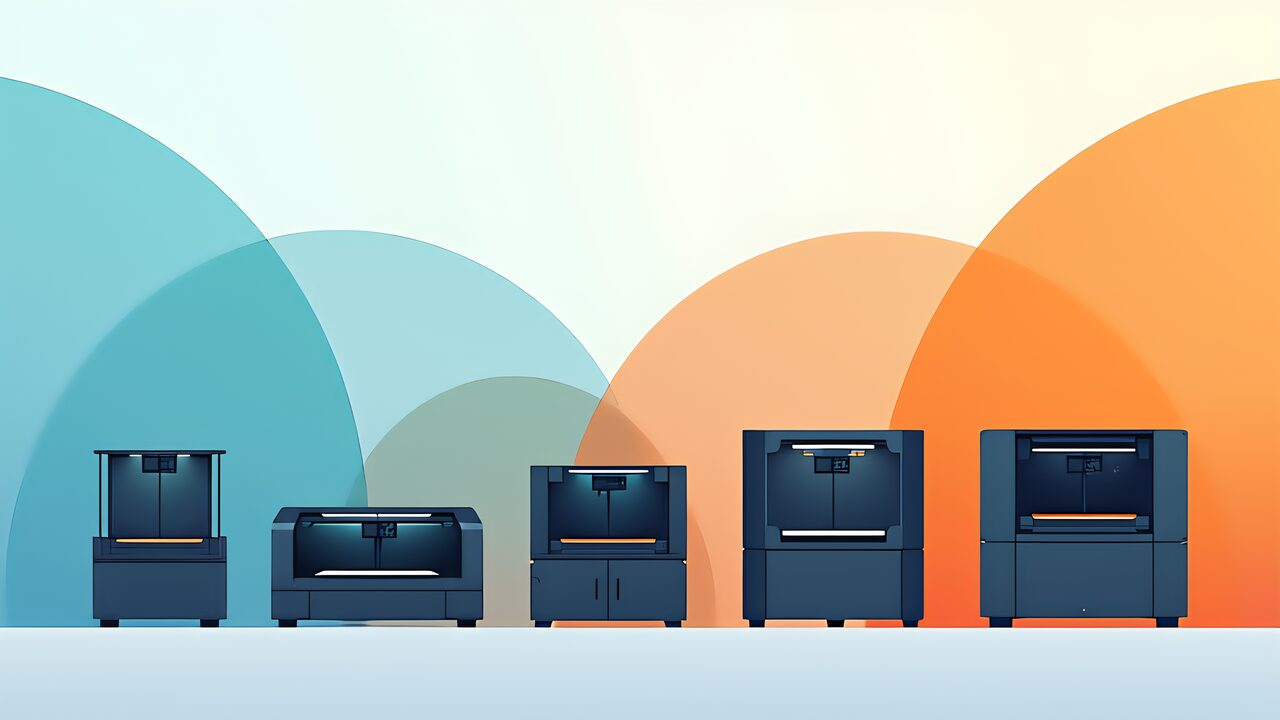
This is the summary guide to the late-2026 wave of desktop 3D printers. Having looked at each machine in detail — Bambu’s X2D and H2C, Creality’s K2 Plus, Hi Combo and K3, and Prusa’s CORE One INDX — the practical question remains: given a budget and a purpose, which one should you buy? Below we organize the choices by price band and by use case, separating what is shipping from what is still announced. Prices are confirmed values as of late June 2026, with dollar figures converted at about 161.6 yen to the dollar.
This article contains affiliate links. As an Amazon Associate, we earn from qualifying purchases.
The old buying criteria — top speed, build size, price — have flattened out, because next-generation machines are all fast, all reasonably large, and increasingly similar on paper. Three new axes now decide the choice: autonomous quality control through AI cameras, the toolchanger and its purge-free promise, and practical multi-material printing. Keep these three in mind as a map, and the budget bands below stop being a list of products and become a guide to which capabilities you are actually paying for.
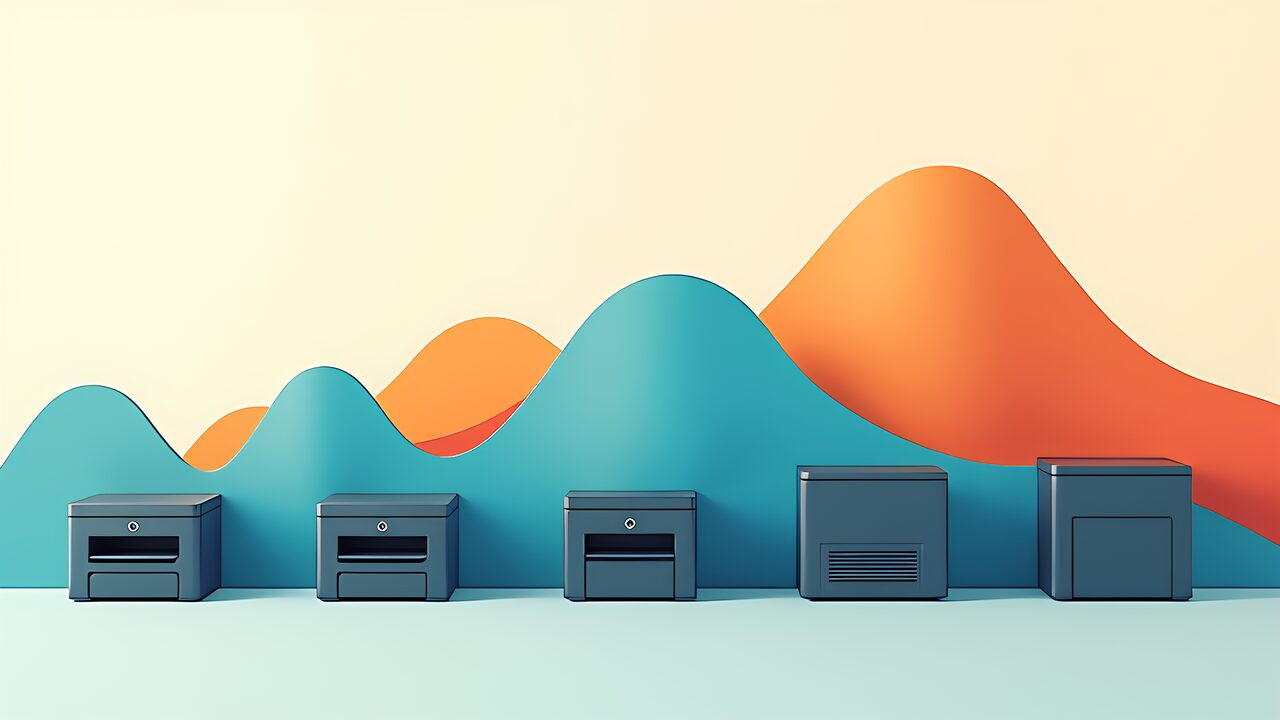
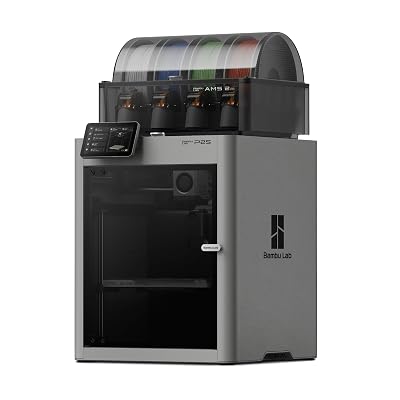
At the entry level, two machines stand out. The Bambu Lab X2D on its own, around 126,000 yen, brings a lift-type dual nozzle, a 256 x 256 x 260 mm build volume, speeds up to 1,000 mm/s and 31 sensors — excellent for clean support removal and the occasional second color. The Creality Hi Combo, around 70,000 yen, is the most affordable route into multicolor, reaching up to 16 colors through a CFS unit at up to 500 mm/s. Choose the X2D if dual-nozzle support work and engineering capability matter; choose the Hi Combo if cheap, simple multicolor is the goal.
Entry-tier options sold on Amazon.com. The Bambu Lab X2D is mainly sold through the Bambu Lab store, so the A1 mini and the SPARKX i7 are listed here instead.

 ポチップ
ポチップThe mid band is the richest. The X2D Combo (about 165,000 yen) adds a multi-spool system to the dual-nozzle base. The Creality K2 Plus (around 200,000 yen) pairs dual AI cameras and 18 sensors with a 350 mm cube build volume, 600 mm/s printing, a 60 degree C chamber and CFS up to 16 colors — the most complete all-rounder in this range. The Prusa CORE One (1,099 dollars, about 178,000 yen) offers an enclosed CoreXY with a 55 degree C chamber and is the gateway to the INDX upgrade path later. Pick by priority: AI monitoring and multicolor point to the K2 Plus, an upgrade-ready platform points to the CORE One.
Mid-range options on Amazon.com (prices are as of the date shown). The X2D Combo and the Prusa CORE One are sold mainly through their makers’ own stores.
 ポチップ
ポチップAt the top, you are buying serious multi-material capability. The Bambu Lab H2C, around 400,000 yen as a Combo, centers on the Vortek hotend-change system: up to seven colors or materials, roughly 58% less purge waste, a 65 degree C chamber and 350 degree C nozzles for everything from PLA to high-temperature composites. The alternative path is a Prusa CORE One+ (1,599 dollars, about 258,000 yen) plus the INDX 8-material toolchanger kit (about 749 dollars), which together deliver purge-free eight-material printing as an upgrade rather than a sealed appliance. The H2C is the turnkey flagship; the CORE One+ with INDX is the open, expandable route.
A peripheral worth budgeting for alongside any high-end machine: a filament dryer, if you plan to run multiple materials.
Budget narrows the field; use case picks the winner. A figurine hobbyist printing intricate models with hollow interiors benefits most from multi-material and water-soluble supports, so a toolchanger or strong AMS machine matters more than cameras. An engineer running long parallel prototypes values AI failure detection above all, since stopping a doomed print early saves the most time — the K2 Plus or a Bambu machine with on-device detection fits. A small-batch maker selling multicolor products cares about waste per print, which pushes toward purge-free toolchangers like the H2C or CORE One INDX. The same budget yields different best buys once you start from your output rather than the spec sheet.
One last filter: is the machine actually available? The X2D, H2C, K2 Plus, Hi Combo and the CORE One with the INDX kit are all shipping as of late June 2026. The Creality K3 with KliTek is announced for the third quarter, with its price and long-term reliability not yet fixed. If KliTek’s five-second swaps and up to 80% less filament are exactly what you need, waiting can be rational — but you can already reach all three waves with machines on the market today. For most buyers, that tips the balance toward acting now rather than waiting on an announcement.
Choosing a 3D printer in late 2026 is a two-step process: let your budget set the band, then let your use case pick the machine within it. Entry buyers weigh the X2D against the Hi Combo, the mid range is led by the K2 Plus and the CORE One, and the high end splits between the turnkey H2C and the expandable CORE One+ with INDX. Start from what you build, mind the shipping-versus-announced line, and the look-alike spec sheets resolve into a clear, confident choice.
Bambu Lab X2D and H2C official product pages; Creality K2 Plus, Hi Combo and KliTek (K3) official information; Prusa CORE One, CORE One+ and INDX conversion kit pages.