Input Shaping Klipper 2026: Resonance Compensation Complete Guide
swiftwand swiftwand.ai
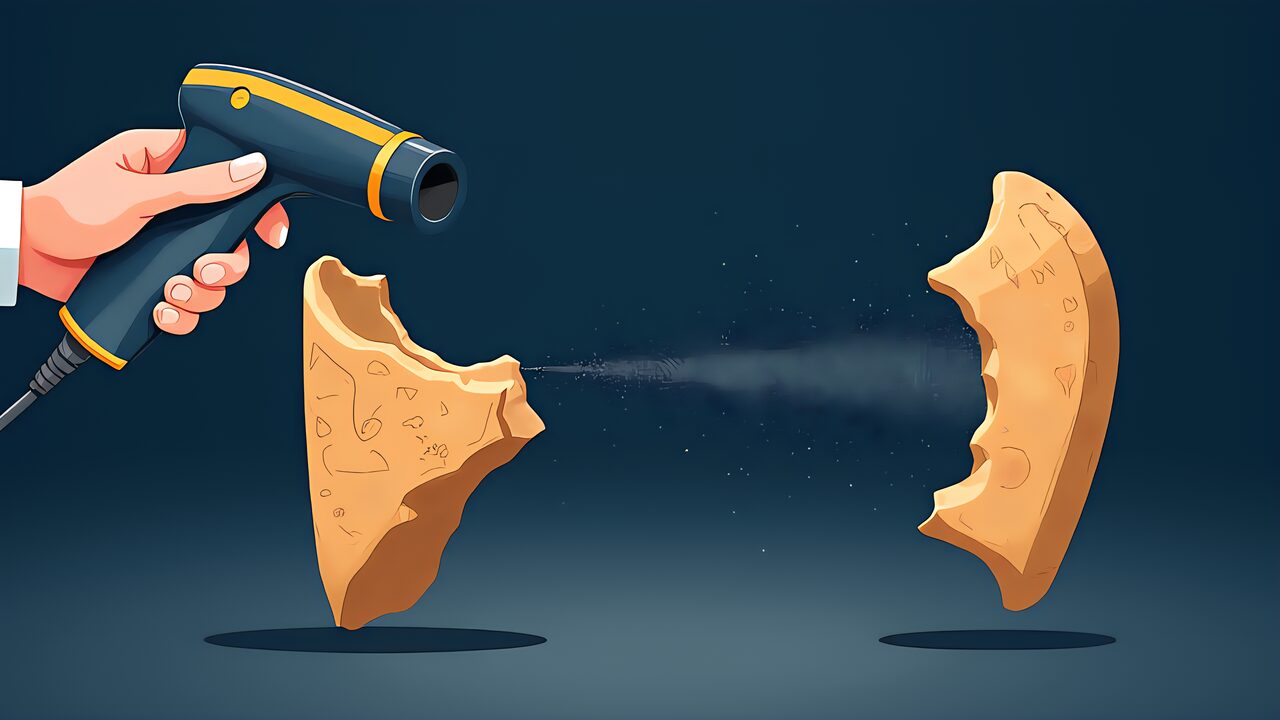
3D scanning and AI-powered restoration are transforming how we preserve and reproduce cultural artifacts. From damaged Buddhist statues to eroded archaeological fragments, the combination of high-resolution scanning, AI-driven mesh completion, and precision 3D printing enables faithful reproduction of objects that would otherwise be lost to time. This guide presents a practical workflow for cultural heritage digitization and restoration printing, accessible to both institutions and individual practitioners.
Physical artifacts deteriorate. Stone erodes, wood rots, metal corrodes, and disasters destroy irreplaceable objects. Traditional preservation — photography, drawings, mold-making — captures only partial information. 3D scanning creates a complete digital twin: geometry, texture, and spatial relationships preserved at sub-millimeter precision. Once digitized, an artifact can be studied, shared, reproduced, and archived indefinitely. The cost of not scanning is permanent information loss; the cost of scanning has dropped to the point where a single practitioner with a ~$1,593 standalone scanner (Revopoint MIRACO, Amazon.co.jp ~239,000 JPY) can digitize an entire collection.

Equipment selection: For most cultural heritage work, a standalone handheld scanner like the Revopoint MIRACO (~$1,593 from Amazon.co.jp) provides the best balance of portability, precision, and independence from infrastructure. For outdoor monuments, supplement with drone photogrammetry. For small artifacts (coins, seals), Revopoint MINI 2 (~$880 from Amazon.co.jp) at 0.02mm precision captures fine engravings.
Environmental control: Scan in diffuse lighting — avoid direct sunlight which creates harsh shadows and confuses structured light sensors. For indoor collections, overcast days through north-facing windows provide ideal ambient conditions. Use a turntable for small objects and handheld walking scans for larger pieces. Maintain consistent temperature to prevent thermal expansion affecting precision.
Capture strategy: Overlap each scan pass by 30-50%. Start from one fixed reference point and work systematically. For complex objects (multi-armed statues, relief panels), scan sub-sections and merge in software. Color calibration markers in the scene enable accurate texture reproduction.

Damaged artifacts have missing sections — a broken nose on a statue, eroded text on a tablet, collapsed sections of architectural ornament. Traditional restoration requires sculptors to manually reconstruct lost geometry based on art-historical references. AI mesh repair tools accelerate this process:
Symmetry-based completion: Many artifacts (faces, decorative patterns, architectural elements) exhibit bilateral symmetry. Mirror the intact side to reconstruct the damaged side, then blend the boundary. Blender’s Mirror modifier handles this precisely.
AI hole-filling: Meshy and similar AI tools can intelligently fill holes based on surrounding geometry context. For simple damage (chips, cracks, small missing sections), AI-generated fills are often indistinguishable from manual sculpting.
Reference-guided reconstruction: When historical photographs or drawings of the undamaged object exist, AI image-to-3D tools (Hyper3D Rodin) can generate reference geometry that guides manual restoration in Blender or ZBrush.

Resin printing delivers the highest surface detail for museum-quality reproductions. 4K/8K LCD printers at 0.05mm layer height capture texture details invisible to the naked eye. Post-processing with primer, paint, and patina finishes can make reproductions nearly indistinguishable from originals behind glass.
FDM printing suits large-scale reproductions, educational replicas, and tactile museum exhibits where visitors can handle the objects. 0.2mm layer height with wood-fill or stone-fill PLA creates convincing material textures. For outdoor installations, ASA or PETG provides weather resistance.
Scale reproduction: Print at 100% for true replicas, or scale down (25-50%) for study models and gift shop items. When scaling up beyond original size, add internal structure (ribs, honeycomb infill) to maintain structural integrity.
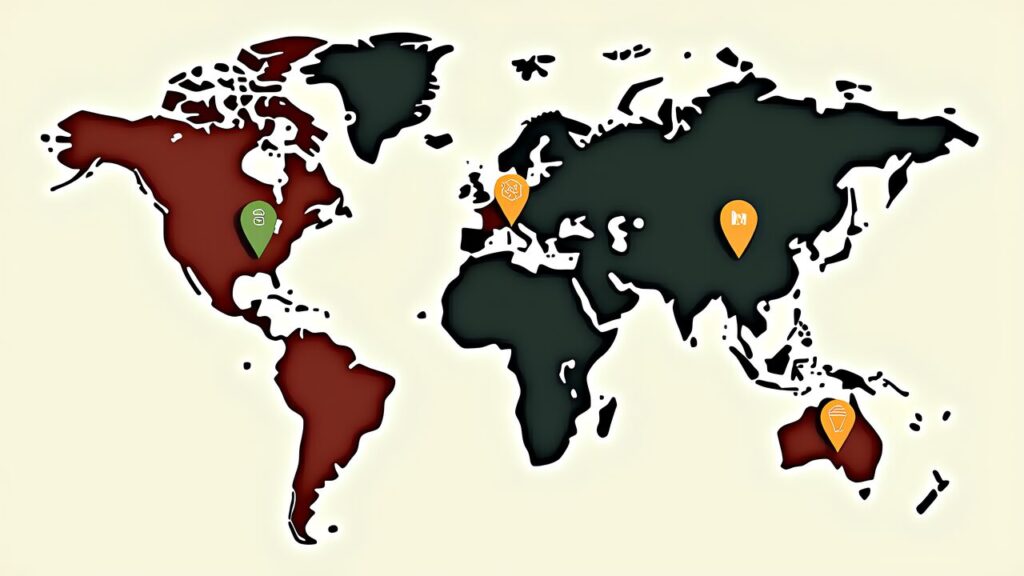
Museum accessibility: 3D-printed tactile replicas let visually impaired visitors experience artifacts through touch — something impossible with originals behind glass. Schools receive printed replicas for hands-on history education.
Disaster recovery: Pre-disaster 3D scans enable post-disaster reconstruction. Institutions worldwide are accelerating digitization programs as insurance against fire, flood, earthquake, and conflict damage.
Community heritage preservation: Local historical societies and temples can now digitize their collections with consumer-grade equipment. A single MIRACO scanner and a volunteer weekend can preserve an entire collection for future generations.

Cultural heritage 3D scanning and AI restoration printing is no longer restricted to well-funded institutions. Consumer scanners at ~$1,593 deliver professional-grade capture, AI tools automate mesh restoration, and desktop 3D printers produce museum-quality reproductions. The workflow — scan, repair, restore, print — is learnable by any motivated practitioner. Start with your local heritage: a neighborhood shrine, a family heirloom, a community landmark. Every object digitized today is one saved from potential future loss.