Can You Legally Sell That Model? Copyright, Design Rights and Licenses
swiftwand swiftwand.ai
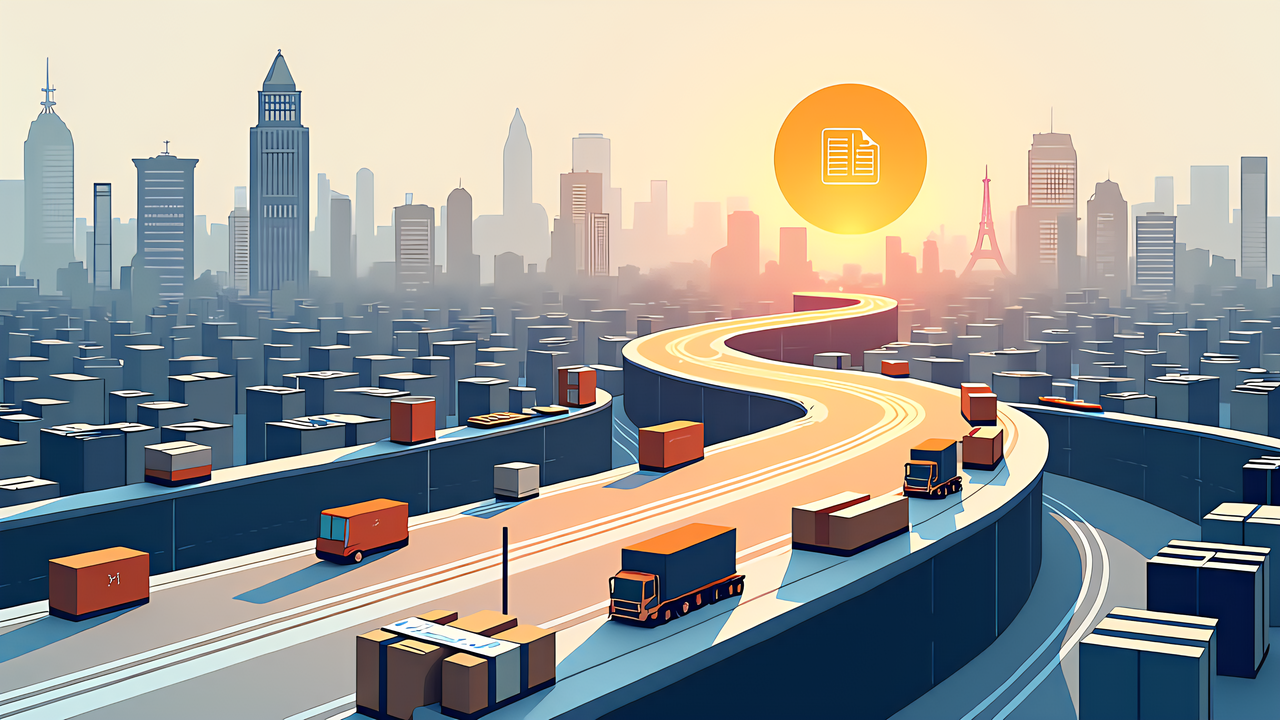
Every format covered in this series assumes you print something. There is one that does not. Selling the design file means no inventory, no packing, no postage and no machine time per order, and it is the only version of this activity where the tenth sale costs almost exactly what the first one did.
This article contains affiliate links. As an Amazon Associate, we earn from qualifying purchases.
That is not the same as easy. Data sales trade physical work for design quality and a slower start. This closing article puts data selling next to finished goods and made-to-order design, and then works backwards from what you actually want to arrive at a choice.
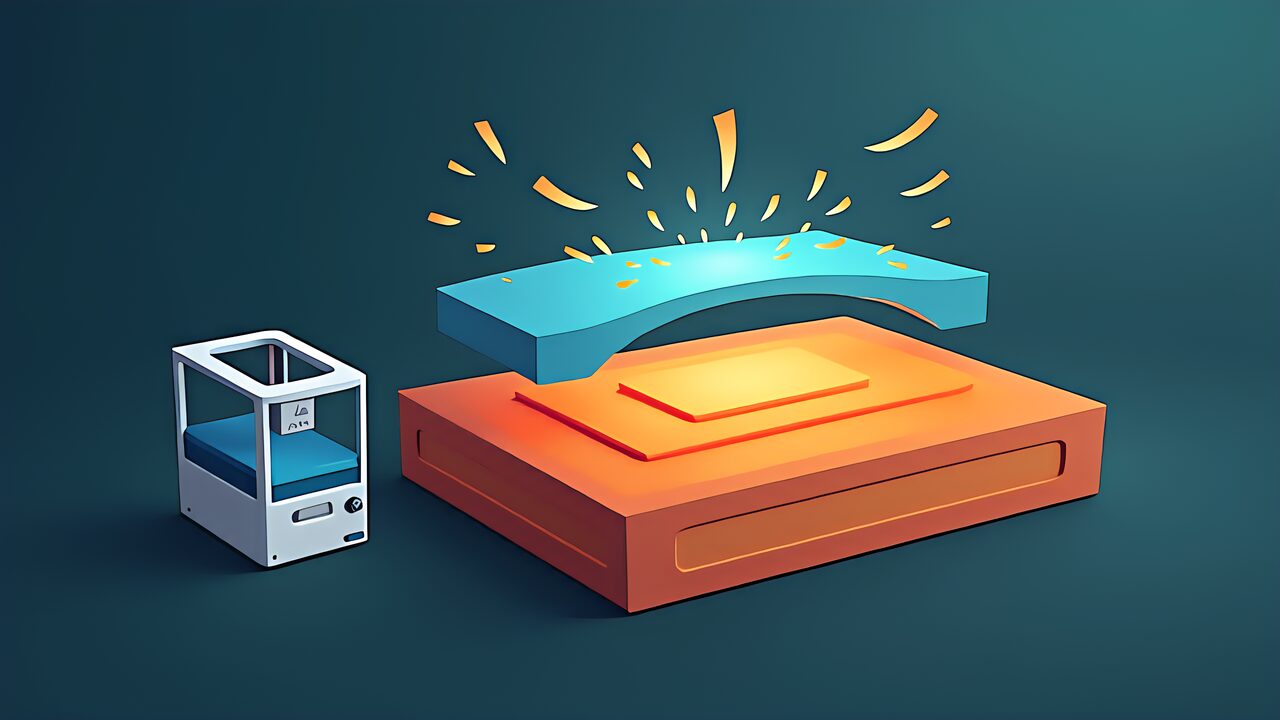
Look at the eight cost components and data selling deletes most of them. Filament, electricity, machine depreciation, consumables, failed prints, packaging and postage all fall away after the design is finished. What remains is platform fees and the hours you spent modelling.
The postage revision arriving in October 2026 illustrates the difference. Sellers of physical goods absorb it; a Click Post item rises 55 yen and a thin Yu-Packet item rises 110 yen, straight off the margin of every order. Data sellers are unaffected because no parcel exists.
The legal picture thins out too. Software is expressly outside the definition of a product under the Product Liability Act, so the ten year tail attached to physical items does not attach to a file. It does not vanish entirely: selling a file is still distance selling, and the disclosure duties still apply, including the operating environment for software.
Whatever the project, a reliable spool of PLA+ is the material most of these prints will actually run on.

 ポチップ
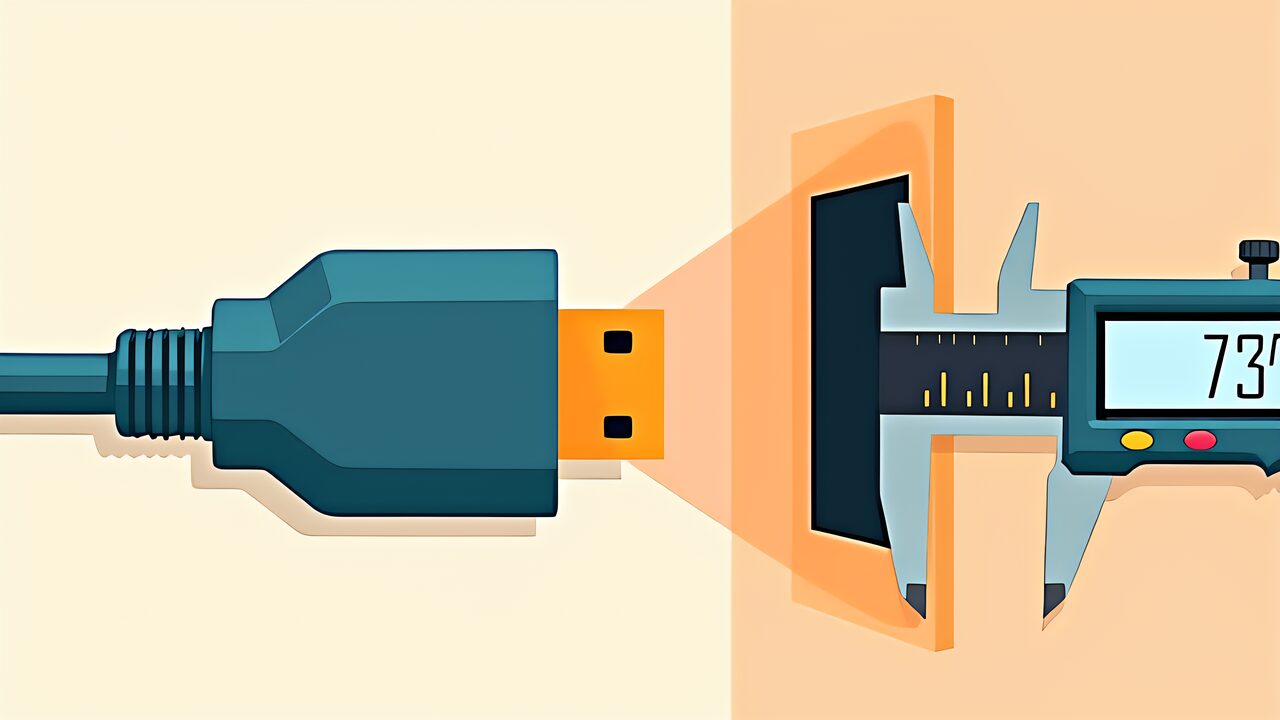
ポチップA file has to work on a machine you will never see. The buyer uses different filament, a different nozzle, a different bed surface and settings you did not choose. Clearances that worked on your printer may bind or rattle on theirs. Designing for that means generous tolerances, geometry that prints without supports where possible, and documentation that states the settings you validated.
Support is the other side of it. A physical product arrives finished; a file arrives as a task the buyer has to complete, and when it fails they come to you. Budget for questions that are really printing problems rather than design problems.
And the start is slow. A listing needs traffic before it converts, and a file with no reviews and no photographs of finished prints converts poorly. The first months look like nothing is happening, which is exactly when people abandon it.
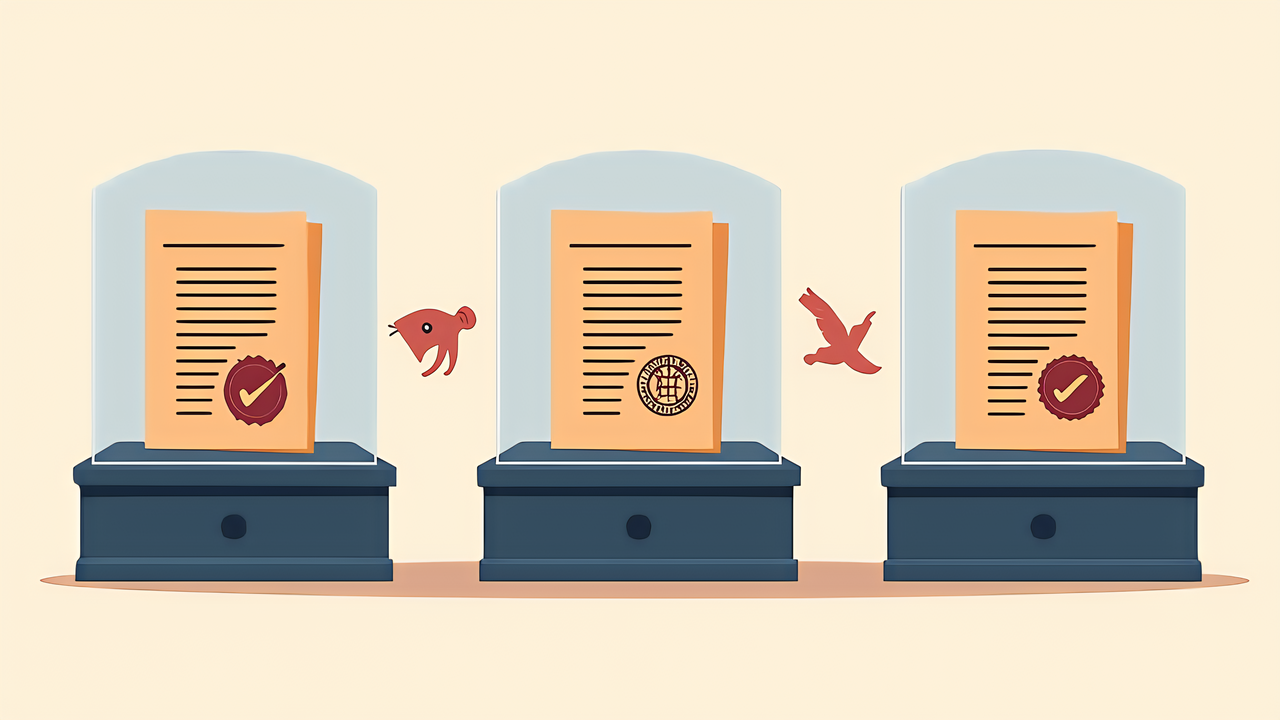
Selling a file makes the rights questions sharper, because you are distributing the design itself rather than one instance of it. If the model is not entirely yours, the license has to permit commercial distribution, which is a stricter permission than commercial use of a print. Copyright arises automatically on creation, so absence of a stated license does not mean freedom to redistribute.
If the design is your own, the exposure runs the other way: a registered design right can reach a shape you arrived at independently, because design rights are absolute exclusive rights. For anything resembling a commercial product, checking the register is the cheap step before publishing.
A basic 3D printing tool kit covers removal, cleaning and clean-up, which is most of the work around a print.
 ポチップ
ポチップ| Finished goods | Design data | Made-to-order design | |
|---|---|---|---|
| Cost of the next sale | Material, machine time, packing, postage | Near zero | Your hours again |
| Effect of the Oct 2026 postage rise | Direct | None | Only on items you ship |
| Product Liability Act | Applies, ten years from delivery | Software is excluded | Applies to what you hand over |
| Disclosure duties | Yes | Yes, incl. operating environment | Depends on contracting |
| Time to first revenue | Medium | Slow | Fast |
| Scales without more hours | No | Yes | No |
| Main risk | Unsold stock, injury liability | No traffic, redistribution | Income stops when you stop |
If you want money this month, take commissions. One customer with one problem produces revenue without traffic, inventory or a listing that needs to rank.
If you want income that does not consume more evenings as it grows, sell data, and accept that the first few months will look like failure.
If you enjoy making the physical object and want the shortest distance between your workshop and a buyer, sell finished goods, but do the cost calculation first, including electricity at 31 yen per kWh, your failure rate, and the marketplace commission at the price you actually intend to charge.
If you have a full time job and limited hours, note which obligations follow you regardless. The Product Liability Act does not require a profit motive, so items you make repeatedly and give away are inside it. Disclosure duties apply to individuals, not only to companies. And the tax test is on income after expenses, not on revenue, which is another reason the cost figure comes first.
Pick one format rather than all three. Calculate cost for that format before setting a price. Check rights before publishing anything derived from someone elses work. Write the required disclosures and a specific return policy rather than a vague one. Keep records of what you sold and how you made it, because the liability period outlasts the activity. Then, once something is actually selling, look at the tax thresholds and the invoice question.
Most people eventually run more than one format at once: a design sold as a file, the same design offered printed for buyers without a machine, and commissions when they arrive. That combination is a reasonable destination. It is a poor starting point, because each format needs a different cost model, a different venue and a different checklist, and doing three at once means doing none of them properly.
This article is general information rather than legal or tax advice, and the figures reflect August 2026. Rates and rules in this area change frequently; confirm against the official sources before acting.