Continuous Fiber 3D Printing AI Path Planning: Achieving Carbon-Grade Strength
swiftwand swiftwand.ai
You downloaded a model, printed it, and someone offered to buy one. Or you designed something yourself that resembles a product already on sale. Whether either is allowed depends on which right is operating and how far it reaches. This article maps the territory covered by copyright, design rights and trademarks using published material from the Japanese agencies responsible, and then applies it to reading a license on a downloaded model.
This article contains affiliate links. As an Amazon Associate, we earn from qualifying purchases.
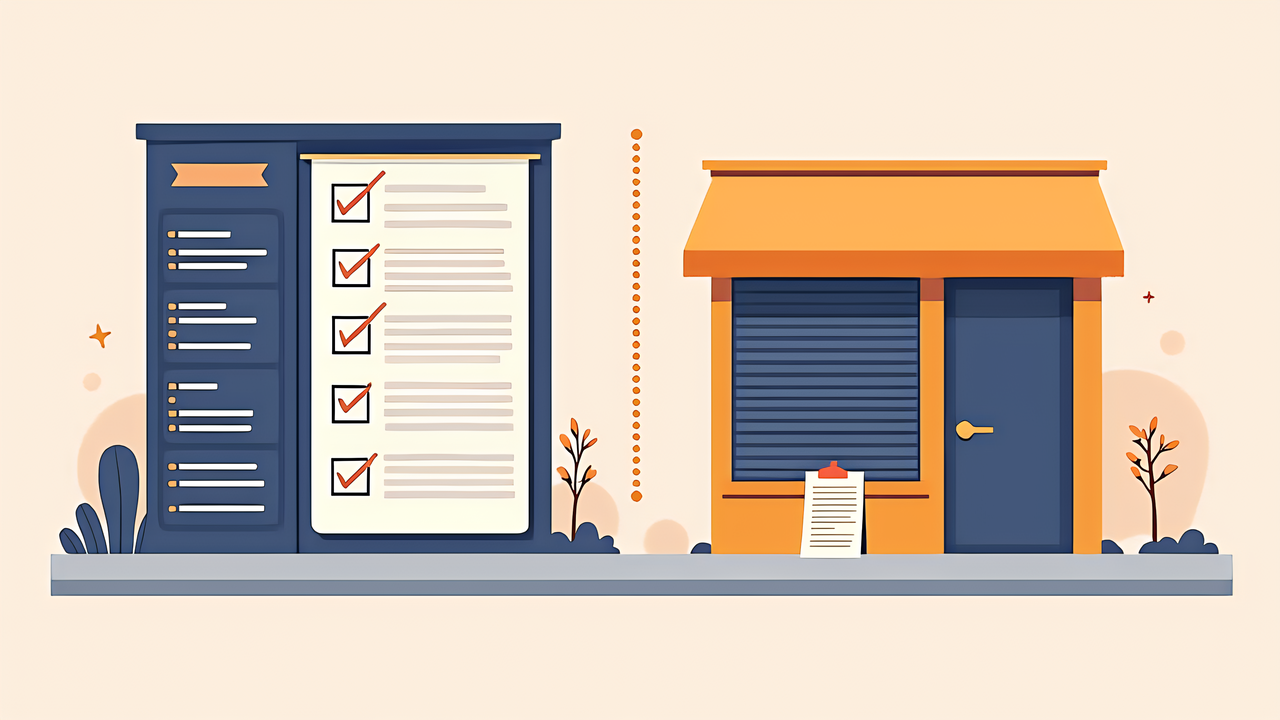
The Japan Patent Office draws a distinction that decides most practical questions. Patents, utility models, design rights, trademarks and plant breeders rights are absolute exclusive rights: they can be enforced against anything with the same objective content. Copyright, layout-design rights, trade names and interests under unfair competition law are relative exclusive rights: they do not reach work that someone created independently.
That asymmetry is the whole game. Under copyright, something you made without seeing another persons work does not infringe it. Under design rights it can. A registered design reaches shapes that are identical or similar to it, whether or not you arrived at yours independently.
So the belief that designing it yourself makes you safe is broadly true for copyright and not reliably true for design rights. Going into volume production without knowing that difference is the riskiest position of all.
Whatever the project, a reliable spool of PLA+ is the material most of these prints will actually run on.

 ポチップ
ポチップThe defining feature of copyright is that nothing has to be filed. Industrial property rights require application and registration; copyright is granted automatically the moment a work is created, and that principle is international. Japan follows it.
Two consequences follow. Your design file is protected from the moment you make it, assuming it qualifies as a work, with no notice or registration needed. And a model sitting on a sharing site is very likely protected even though its author wrote nothing about rights. The reading that no license means free to use does not hold.
There is a further distinction worth carrying. Patents protect ideas; copyright protects expression. Designing a different shape that achieves the same function is, from a copyright perspective, a different expression. Whether it clears a registered design right is a separate question with a different answer.
Printing something for yourself is broadly permitted. Article 30 of the Copyright Act allows reproduction for private use, meaning personal use or use within a family or a similarly limited circle, with the reproduction made by the user.
The exception is narrow, and selling is outside it entirely. The moment a print leaves that circle in exchange for money, the private use provision no longer applies. Free distribution to strangers is also outside it. This is the boundary people cross without noticing, because the printing action looks identical either side of it.
A basic 3D printing tool kit covers removal, cleaning and clean-up, which is most of the work around a print.
 ポチップ
ポチップA design right protects the appearance of an article and exists only once registered. Because it is an absolute exclusive right, independent creation is not a defence. For anything you intend to produce in quantity, particularly a part that resembles a commercial product, checking the register before committing is the cheap step.
Trademarks protect marks used to identify a source of goods or services, and likewise arise on registration. Putting a well known logo, character name or brand wordmark onto a printed item, or using one in your listing, is a trademark question rather than a copyright one, and often both at once.
For a downloaded model the practical question is narrow: does the license permit commercial use. Sharing sites commonly use Creative Commons terms, where a NonCommercial element rules out selling prints, and a NoDerivatives element rules out modifying the model. Attribution requirements apply on top. Some platforms also impose their own site terms that sit above the individual license, and where they do, the site terms govern.
Generated models add a second layer. Whether output carries copyright, and to whom it belongs, depends on the process and the degree of human involvement and remains contested. Separately from that, each service sets its own commercial-use terms by contract, and breaching those is an account problem before it is ever a copyright one. Read the terms of the specific service and plan you are on.
| Situation | What to check |
|---|---|
| Someone elses model | Does the license allow commercial use, modification, and what attribution is required |
| Your own design | Does it touch a registered design or trademark; independent creation is not a defence |
| Generated model | Service terms for commercial use on your plan, plus the unsettled ownership question |
| Anything bearing a logo or character | Trademark and copyright both, before anything else |
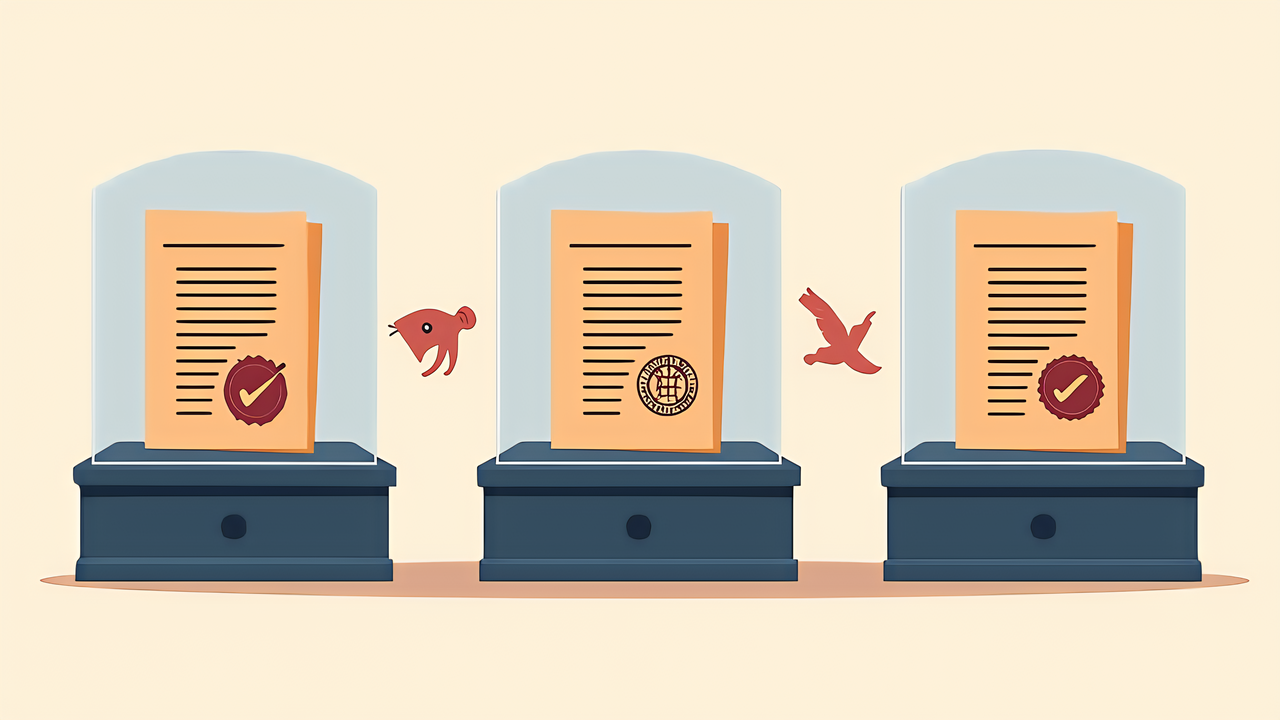
One principle holds the map together. Copyright arises automatically on creation and does not reach independent work. Design rights and trademarks come into existence only on registration, and once registered they do reach independent work. Knowing which of those you are dealing with tells you whether designing it yourself was enough.
This is a general overview rather than legal advice. Specific cases turn on their facts, and a lawyer or the relevant agency is the right place for them.