Claude Spring 2026 Complete Roadmap — Integrated Workflow and the Path to CCA Certification
swiftwand swiftwand.ai
The final article of the series, and the close-out of the season. From the Gemini 3.1 Pro Complete Guide through the entire Gemini ecosystem, this article places it alongside Claude Opus 4.7 and ChatGPT GPT-5.5 to draw the final picture.
This article contains affiliate links. As an Amazon Associate, we earn from qualifying purchases.
Claude vs ChatGPT vs Gemini is no longer a “pick the single strongest” game. The real question facing makers and individual operators in 2026 is “how do I combine three tools across business tiers and task types?” As of May 2026, each of the three platforms has distinct strengths and weaknesses, and they price within a few dollars of each other ($19.99-$20 base subscription). “Which AI is strongest?” has become a less useful question than “which combination fits my business?”
Comparison articles routinely smuggle bias in by omission. This article commits to five principles:
| Benchmark | Claude Opus 4.7 | ChatGPT GPT-5.5 | Gemini 3.1 Pro | Best |
|---|---|---|---|---|
| SWE-bench Verified | 80.8% | 73.5% | 74.2% | Claude |
| ARC-AGI-2 | ~32% | ~28% | 77.1% | Gemini |
| GPQA Diamond | 84.5% | 86.0% | 91.9% | Gemini |
| MMMU (multimodal) | 78.5% | 83.2% | 87.3% | Gemini |
| MMLU-Pro | 88.4% | 88.1% | 89.8% | Gemini (narrow) |
| Context window | 200K | 200K | 1M | Gemini |
| Tool use / agent reliability | Highest | High | High | Claude |
Reading the table honestly: Gemini 3.1 Pro dominates reasoning and multimodal. Claude leads pure coding and agent reliability. GPT-5.5 sits in the middle as the most balanced generalist with the strongest plugin ecosystem.
| Plan | Claude Pro | ChatGPT Plus | Google AI Pro |
|---|---|---|---|
| Monthly | $20 | $20 | $19.99 |
| Annual (first year) | $200 | $200 | $99.99 |
| Top tier | Max $200/mo | Pro $200/mo | Ultra $249.99/mo |
| Free tier model | Sonnet 4.5 | GPT-5.5 mini | Flash family |
| Cloud storage included | None | None | 2 TB |
For pure subscription value, Google AI Pro carries the extras: 2 TB of cloud storage (a $9.99 standalone product) plus Jules async coding plus NotebookLM Plus, all bundled. Claude Pro and ChatGPT Plus are leaner on extras but typically pull ahead on raw chat quality for their respective task strengths.
Pricing tables make sense once you understand how foundation-model applications actually consume tokens.

 ポチップ
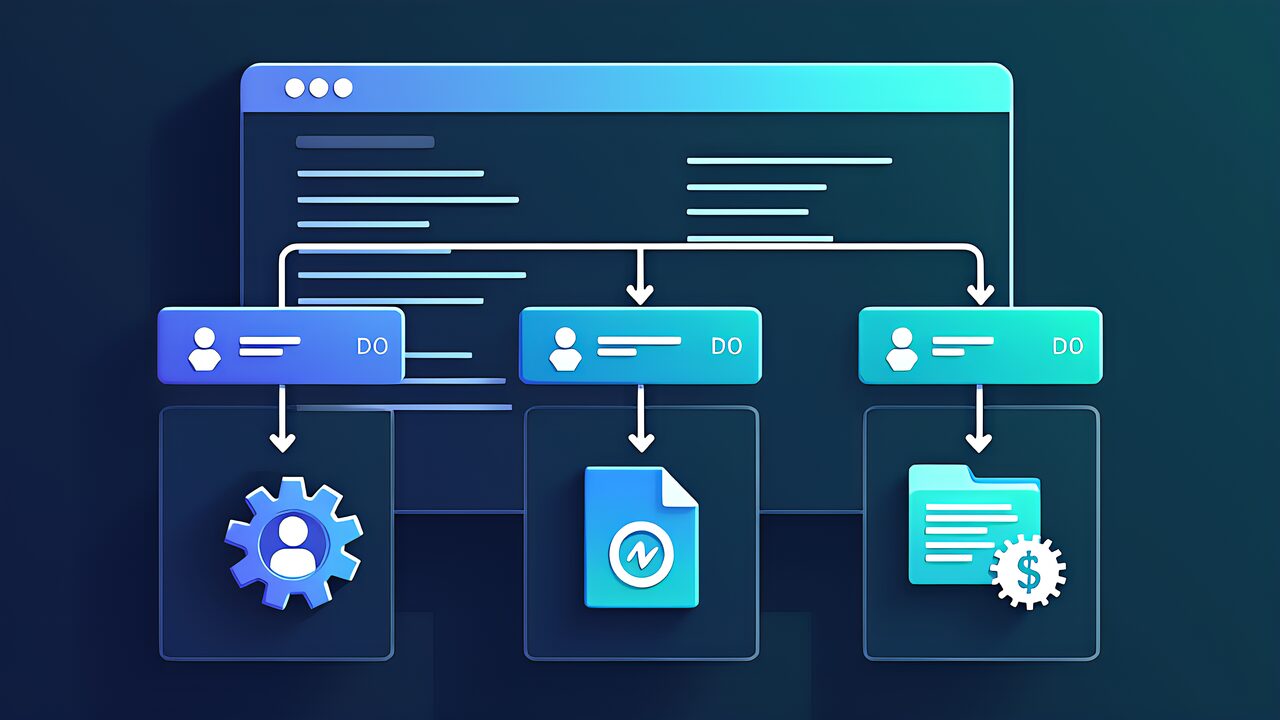
ポチップClaude Code (terminal), Skills (custom expertise plug-ins), Cowork (desktop file automation), and the steadily improving Computer Use API form a stack tilted toward production engineering work. The SWE-bench lead is durable. If the workflow involves shipping code, Claude is the per-task default.
Custom GPTs remain the most-used way to package and share AI assistants in 2026. GPT Image (post-DALL-E) is the strongest text-to-image of the three for product mockups and marketing imagery. The Operator agent matured into ChatGPT Agent and handles web-based form-filling reliably.
Gemini 3.1 Pro plus NotebookLM is the strongest combination for research-heavy or knowledge-intensive workflows. The 1M context window changes the kind of question you can ask. Jules adds an async coding option that no competitor matches at the same price point. The Workspace integration (Gmail, Docs, Calendar) is genuinely useful for solo operators.
Pick one platform and use it deeply for 30 days. Google AI Pro is the easiest single choice because the cloud storage and NotebookLM extras make it useful beyond raw chat. Claude Free or ChatGPT Free tier covers the “I need a second opinion” moments without paying twice.
Two-platform combo: Claude Pro for coding and content production + Google AI Pro for research and persistent knowledge bases. Total $40/month. Reserve ChatGPT Plus for the specific moment Custom GPTs or GPT Image is needed; cancel and resubscribe monthly if usage is intermittent.
Three-platform stack, with API access added: Claude Code + Skills (subscription + token billing $50-100/mo), ChatGPT Plus (Custom GPTs for client-facing flows), Google AI Pro (Jules async + research). API spend is now a real line item; the model router pattern from the previous article applies.
Per-seat enterprise licensing for the primary platform (typically Claude for coding teams, Gemini Enterprise for research-heavy teams). The other two stay as individual subscriptions for cross-platform sanity checks. API costs migrate to enterprise contracts with reserved capacity.
Designing agents that stay reliable is its own discipline, and a build-along book shortens the learning curve.
Across this seven-article series the goal has been to give makers a working map of the 2026 AI landscape, anchored in implementation rather than hype. The most durable takeaways:
Pick one workflow change this week — adopt Jules for one repo, build one NotebookLM knowledge base, switch one client deliverable to Claude Code — and let the compounding effect carry you into the next series.